
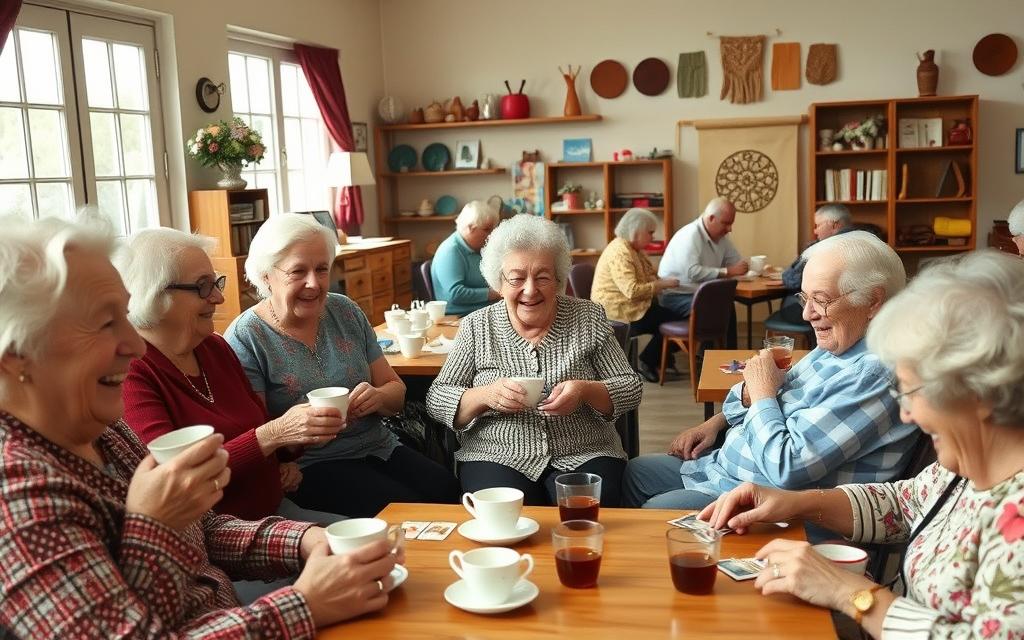
← Back to Ultimate Hobbies for Seniors Guide
20+ Social Activities for Seniors:
The 2026 Engagement Blueprint
Last Fact-Checked & Enhanced: April 17, 2026| Reflecting 2026 Hobbies & Community Trends
Executive Impact Summary: The Social Connectivity Protocol
In contemporary gerontology, engaging in structured social activities for seniors is recognized as a clinical necessity for maintaining high-level neuroplasticity. As a vital support asset within our Comprehensive Hobbies for Seniors Master Pillar, these engagement strategies are designed to fortify cognitive reserve and mitigate the physiological risks associated with social isolation.
Synaptic Density
Stimulating neural pathways through complex interpersonal exchange and collaborative learning.
Geriatric Wellness
Optimizing endocrine health by reducing systemic cortisol through meaningful community bonding.
Author
Expert Verified
Executive Impact Summary: Your Engagement Roadmap
This comprehensive 2026 blueprint outlines the biopsychosocial benefits of staying connected. If you are short on time, here are the high-impact takeaways for optimizing your social health and cognitive reserve:
Creative, Physical, Civic, and Digital Engagement.
Focus on interpersonal synchrony to lower cortisol.
Utilize the “Buddy System” for long-term motivation.
Quick-Nav: Jump to a Specific Category
Transitioning into retirement offers an unprecedented opportunity to redefine your interpersonal landscape. Choosing high-impact social activities for seniors ensures that your “golden years” are characterized by geriatric wellness and sustained mental acuity. By prioritizing these community-based modalities, you effectively build a defense against cognitive decline and emotional desynchronization.
Sustaining these connections is a physiological imperative for active aging. Participating in diverse social activities for seniors allows you to diversify your neural networks while fostering a profound sense of purpose. Discover how to transform your retirement into a fulfilling era of discovery.
Key Takeaways: The Blueprint for Connection
- Neuroplasticity Support: Engaging in novel hobbies to stimulate synaptic growth and cognitive agility.
- Community Advocacy: Leveraging volunteering to reinforce social status and emotional fulfillment.
- Interpersonal Resilience: Building a “social safety net” through specialized interest clubs and events.
- Biometric Maintenance: Utilizing tailored physical exercises to improve cardiovascular and emotional health.
The Biopsychosocial Impact:
Why Social Interaction is Biological Fuel
In contemporary geriatric research, the shift toward a biopsychosocial model has revolutionized how we view retirement. It is now understood that high-quality interpersonal connection functions as a form of biological fuel, directly influencing cortisol regulation and systemic longevity. When we analyze the mechanics of social engagement, we see three distinct pillars of health optimization.
Neural Pathway Fortification
Every new social interaction requires the brain to process non-verbal cues, tone, and complex narratives. This mental workout leads to neural pathway fortification, expanding your cognitive reserve and delaying the onset of age-related memory shifts.
Socio-Emotional Stability
Regular community participation provides a consistent sense of socio-emotional stability. This “social safety net” reduces the physiological stress response, which is a primary contributor to chronic inflammation and cellular aging in older adults.
Strategic Insight: By choosing varied modalities—ranging from the high-intensity logic of a chess club to the low-intensity relaxation of a nature walk—you create a balanced wellness portfolio.
By understanding the science behind these interactions, you can more effectively tailor your lifestyle for maximum vitality. For a broader look at how these science-backed concepts translate into daily practice, visit our Master Guide to Senior Hobbies.
1. The Physiological Importance of
Social Activities for Seniors
In the context of healthy aging, community engagement is more than a leisure preference; it is a clinical intervention. Utilizing social activities for seniors acts as a primary catalyst for geriatric wellness, impacting cardiovascular health and metabolic regulation. By choosing to remain socially active, you are investing in your long-term cognitive durability.
The Science of Reciprocal Connection
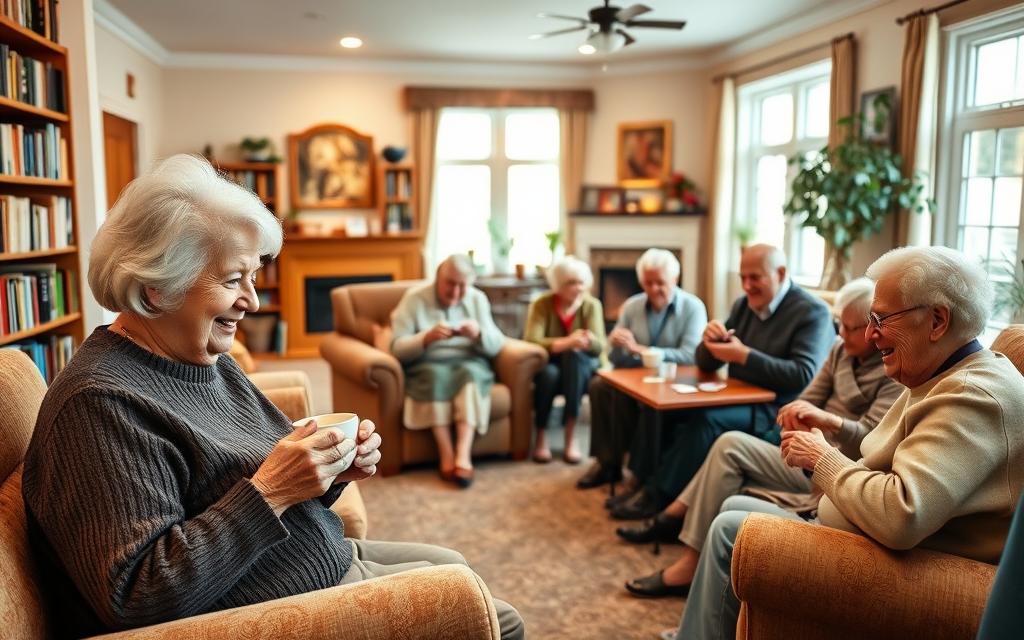
Interpersonal bonding triggers the release of oxytocin and dopamine, which are essential for neurological health. At elderly-focused community events, the act of reciprocating a conversation or sharing a laugh fosters social activities for seniors that dismantle the barriers of isolation. These interactions provide a sense of belonging that is foundational to emotional stability.
Bolstering Cognitive Reserve and Mental Resilience
Consistent participation in senior group modalities serves as a protective layer against mood disorders. By engaging the prefrontal cortex through verbal exchange, these activities promote a state of “flow” that reduces systemic anxiety. Whether through civic engagement or local hobby groups, social immersion creates a vital sense of daily purpose.
2. Creative Hobbies and Collaborative
Social Activities for Seniors
Post-career life is the optimal phase for exploring latent artistic interests through social activities for seniors. Engaging in collaborative art allows for unique self-expression while building a bridge to like-minded peers. For those looking to broaden their repertoire, this is the perfect time to explore unconventional pastimes that stimulate creative discovery.
Tactile Artistry: Painting and Crafting Collectives
Participating in community art sessions offers a tactile method for maintaining fine motor skills and spatial reasoning. These social activities for seniors provide a platform where the act of creation fosters mutual respect and group pride.
| Wellness Attribute | Impact on Engagement |
|---|---|
| Cortisol Regulation | Focusing on creative detail promotes relaxation and reduces neurological stress. |
| Expression | Encourages the externalization of life experiences through diverse media. |
| Social Validation | Creating a shared space for constructive feedback and interpersonal storytelling. |
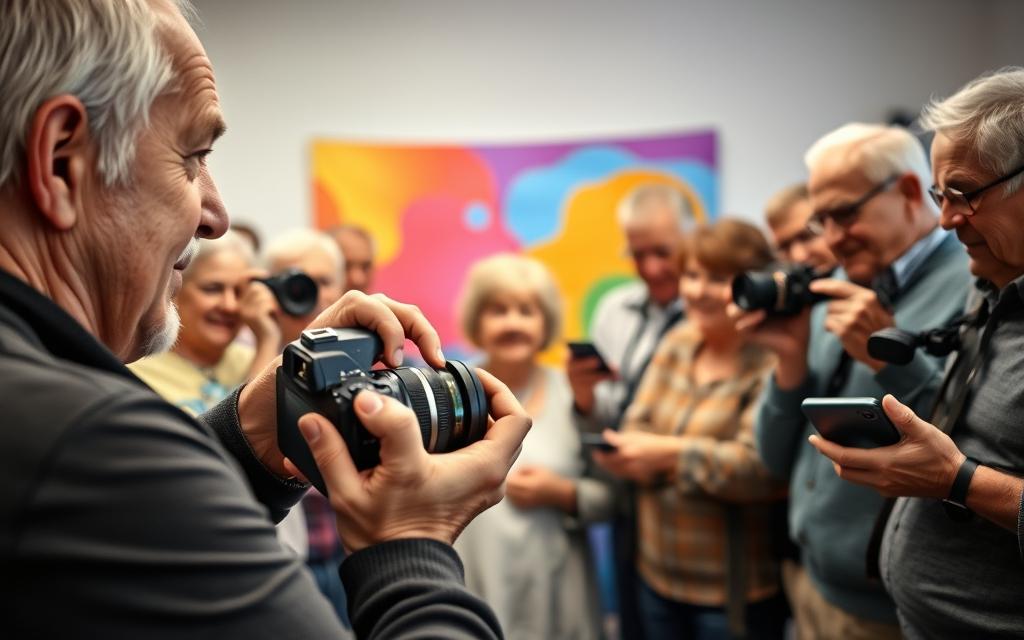
Visual Storytelling: Photography Interest Groups
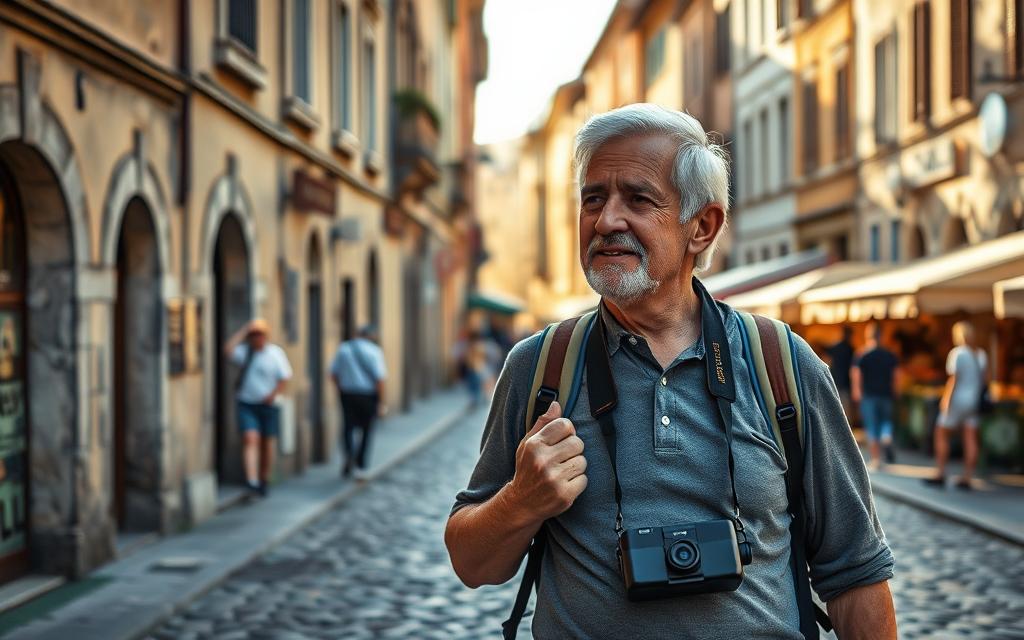
Photography groups allow participants to explore environmental aesthetics while mastering new digital technologies. These outings are quintessential social activities for seniors, combining light physical movement with the technical challenge of visual composition.
Narrative Mastery: Writing and Memoir Workshops
Documenting your legacy through prose or poetry is an intellectually rigorous exercise that builds profound social bonds. By participating in workshops, seniors receive academic-style feedback that validates their lived experiences. For a broader look at lifestyle integration, revisit our Pillar Guide to Senior Hobbies.
3. Improving Biometric Health through
Physical Social Activities for Seniors
Integrating movement with community interaction is a hallmark of successful **active aging programs**. By participating in physical social activities for seniors, you leverage the power of “social accountability” to stay motivated. These sessions at local wellness centers ensure that your fitness journey is supported by a community of peers sharing similar wellness goals.
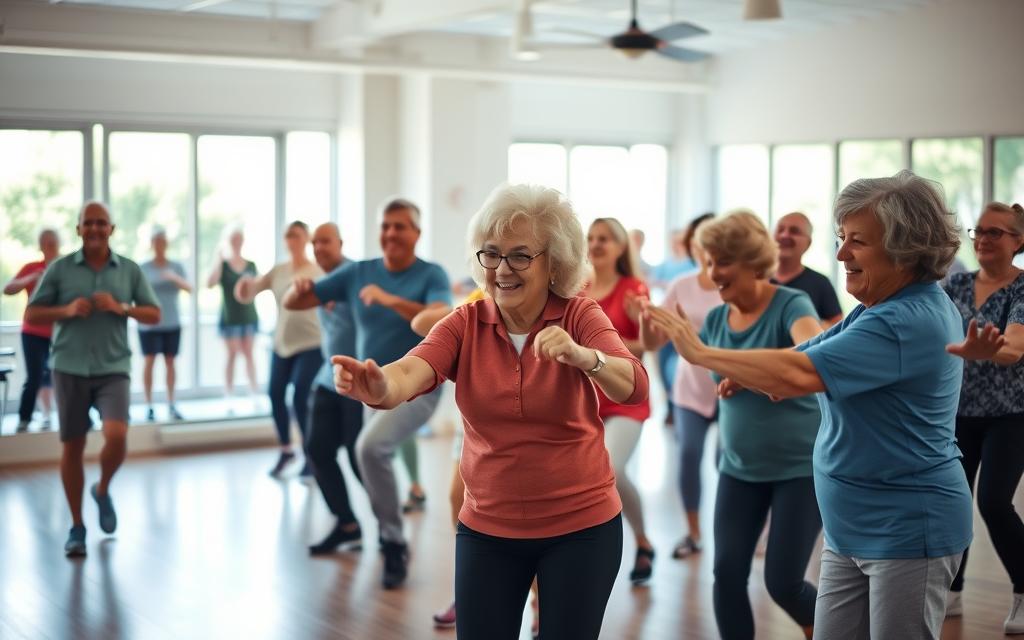
Group Biomechanics: Exercise and Mobility Classes
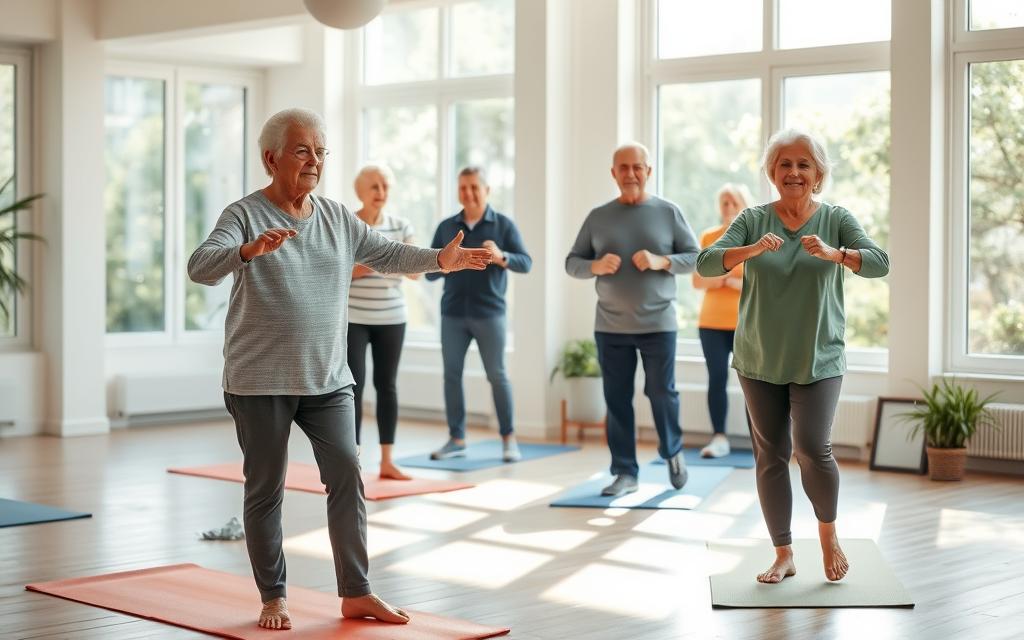
Group fitness environments such as water aerobics, yoga, or Tai Chi are highly effective social activities for seniors. These structured classes focus on flexibility and core stability while providing a consistent time for social interaction. Follow the lead of a professional instructor to safely improve your balance and muscular endurance.
Outdoor Integration: Community Walking Clubs
Walking clubs provide an accessible, low-impact method for enjoying nature while engaging in verbal exchange. These social activities for seniors transform a simple walk into a therapeutic event that supports heart health and bone density.
Aerobic Expression: Dancing for Social Vitality
Dance modalities such as line dancing or low-impact Zumba are excellent for cardiovascular conditioning and rhythmic coordination. These sessions are perfect examples of social activities for seniors that combine pure joy with measurable health benefits. To find more ways to stay active, we invite you to explore our Master Guide to Senior Hobbies.
4. Civic Engagement:
Volunteering as Social Activities for Seniors
Philanthropic outreach serves as a powerful modality for reinforcing your social identity and emotional well-back. Engaging in social activities for seniors that focus on community service allows you to leverage your professional wisdom while fostering deep interpersonal joy. This “purpose-driven” engagement is a cornerstone of geriatric wellness.
Strategic Community Placement
Identifying the right environment for your contribution is key to sustained participation. Local food banks, animal rescue centers, and historical museums frequently host peer-to-peer Interaction where your specific skill sets can drive meaningful organizational impact.
| Civic Organization | Engagement Type | Wellness Outcome |
|---|---|---|
| Food Distribution Hubs | Logistics & Social Sorting | Active social interaction and community service. |
| Animal Welfare Centers | Therapeutic Care & Support | Stress mitigation and increased oxytocin levels. |
| Historical Societies | Educational Docent Roles | Cognitive stimulation and legacy preservation. |
The “Helper’s High” and Mental Health
Clinical studies suggest that altruistic social activities for seniors combat the symptoms of isolation by promoting a sense of utility. These roles provide a structured routine that strengthens cognitive reserve and emotional resilience through consistent, high-value social feedback.
The Psychological Impact of Altruism:
Beyond the “Helper’s High”
While the immediate emotional boost of volunteering is often referred to as the “Helper’s High,” the long-term neurological benefits are far more profound. Engaging in altruistic modalities—structured methods of selfless giving—triggers a sustained release of oxytocin and endorphins, which act as natural buffers against systemic inflammation and stress-related cognitive decline.
Defining Key Concepts in Civic Wellness
1. Altruistic Modalities
These represent the various frameworks through which an individual provides service. In a geriatric context, this includes mentorship, administrative support for non-profits, or physical labor in community gardens. Each modality offers a different scale of interpersonal synchrony and mental engagement.
2. Community-Based Stewardship
This is the practice of taking active responsibility for the well-being of one’s local environment. Community-based stewardship fosters a powerful sense of agency, allowing seniors to see themselves as vital guardians of local culture, history, or ecology. This shift in perspective is a primary driver of cognitive reserve.
By shifting the focus from passive consumption to active contribution, participants undergo a transition in their psychosocial health. This “stewardship mindset” provides a protective neurological effect, reinforcing one’s identity as a contributor rather than a bystander. For more on how active engagement impacts long-term health, see our Master Guide to Senior Hobbies.
5. Specialized Clubs as Targeted
Social Activities for Seniors
Special interest groups offer a curated environment for geriatric wellness by aligning recreation with established passions. Joining social activities for seniors that focus on specific intellectual or outdoor pursuits ensures that your interactions are naturally high in quality and social chemistry.
Literary and Botanical Collectives
Book clubs and gardening circles are classic examples of community-centric hobbies that encourage lifelong learning. These groups provide a platform for complex debate or shared physical labor, both of which are essential for maintaining neurological flexibility. For a deeper look at interest-based growth, visit our resource on senior hobby development.
Intergenerational Connectivity:
The Reciprocal Exchange of Legacy
One of the most profound modalities for maintaining high-level cognitive reserve is intergenerational mentoring. This practice goes beyond simple socialization; it creates a reciprocal exchange of legacy where wisdom and modern skills flow in both directions. By engaging with younger generations, seniors reinforce their own sense of psychosocial health while contributing to the growth of their community.
Traditional Skill-Sharing
Seniors possess a vast repository of “analog” expertise—from woodworking and gardening to historical perspectives and artisanal crafts. Teaching these traditional skills provides a structured environment for complex verbal communication and fine motor coordination.
Digital Reverse-Mentoring
Conversely, younger mentors can provide “reverse-mentoring” in digital literacy. This digital-traditional skill-sharing helps seniors master modern communication tools, effectively bridging the generational gap and reducing the neurological isolation often caused by rapid technological shifts.
Geriatric Wellness Insight: These interactions stimulate neuroplasticity by forcing the brain to adapt to different communication styles and viewpoints, a process essential for long-term mental agility.
By fostering these connections, you ensure that your retirement is defined by growth and community stewardship. To explore more ways to integrate skill-building into your daily life, visit our Master Pillar on Senior Hobbies.
6. Digital Literacy: Technology-Enhanced
Social Activities for Seniors
Modern technology acts as a bridge, extending the reach of social activities for seniors beyond physical boundaries. Utilizing digital platforms allows for virtual sedentary engagement, ensuring that you remain connected to your community even during periods of limited mobility.
Virtual Connectivity and Collaborative Learning
Online learning groups and webinars represent a new frontier for social activities for seniors. These digital spaces facilitate the sharing of narratives and photos across global networks, helping to sustain interpersonal bonds and intellectual curiosity in a high-tech era.
| Digital Tool | Activity Application | Social Benefit |
|---|---|---|
| Video Platforms | Live Interactive Classes | Skill acquisition and social visibility. |
| Community Forums | Thematic Discussion Groups | Peer support and shared interest bonding. |
7. Nature-Based Social Activities
for Seniors and Friends
The “Great Outdoors” provides a sensory-rich environment for collective recreational outings. Engaging in nature-based outings promotes Vitamin D synthesis and improves respiratory health, all while offering a serene backdrop for building new community memories.
Communal Picnics and Ecological Walks
Organizing social activities for seniors in public parks—such as picnics or birdwatching—encourages light physical movement and sensory engagement. These gatherings are vital for maintaining a connection to the environment and peers alike. To see how nature fits into a larger lifestyle plan, check our Comprehensive Hobbies Pillar.
8. Leadership and Coordination of
Social Activities for Seniors
Taking an active role in the organization of communal gatherings is a sophisticated method for maintaining executive function and social activities for seniors. By spearheading these initiatives, you facilitate the “Interpersonal Connectivity” that is vital for a thriving retirement community. Coordination of these events ensures a high degree of geriatric wellness for both the organizer and the participants.
Strategic Hosting: Game Nights and Cognitive Play
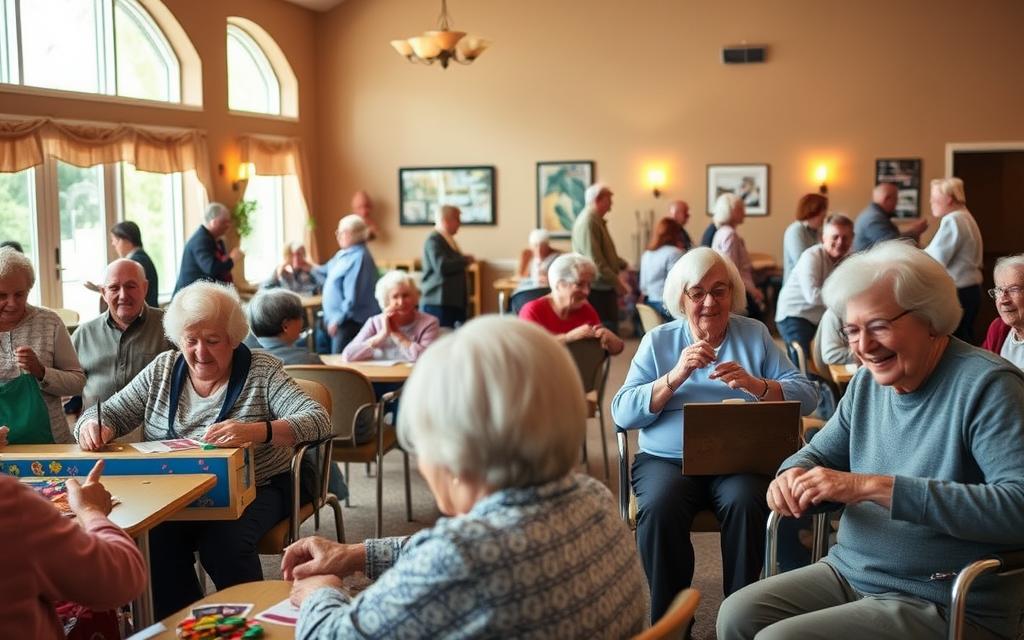
Facilitating a structured game night serves as a catalyst for cognitive agility and group laughter. When selecting social activities for seniors like bingo, bridge, or classic board games, you are creating a low-stress environment for high-value mental stimulation. Success in these events relies on environmental ergonomics—ensuring accessible seating, optimal lighting, and inclusive refreshment stations.
Cultural Synthesis through Themed Potlucks
Themed culinary gatherings provide a sensory-rich platform for social activities for seniors. By organizing potlucks centered on specific cultural cuisines or seasonal holidays, you encourage participants to share the “narrative heritage” behind their favorite dishes. This shared consumption fosters a deep sense of belonging and community synchronicity.
Pro-Tip for Organizers: Collaborating with local municipal centers provides access to professional resources and expanded outreach, ensuring your community initiatives achieve maximum social resonance.
Setting the Stage for Connection:
Environmental Ergonomics
The success of any community gathering depends heavily on the physical environment. By prioritizing environmental ergonomics, organizers can ensure that the space facilitates, rather than hinders, interpersonal synchrony. Creating a “frictionless” environment allows participants to focus entirely on the social exchange.
Lumen Optimization & Lighting
High-contrast lighting and lumen optimization are essential for those with visual impairments. Ensure that common areas are bathed in warm, non-glare light to aid in reading facial expressions and navigating the room safely.
Auditory Clarity & Acoustics
Managing lighting acoustics involves reducing background noise—such as loud HVAC systems or excessive echo—to ensure auditory clarity. This is critical for participants using assistive hearing technologies.
Navigational Ease
The layout should prioritize navigational ease, providing wide, unobstructed pathways that accommodate walkers or wheelchairs. Clear signage and logical room flow reduce the cognitive load required to move through the space.
Strategic Seating Tip: Implement accessible seating solutions that offer firm biomechanical support. Chairs with armrests and stable bases are preferred, as they assist in the transition from sitting to standing, ensuring comfort during long-form discussions or events.
Finding Your Comfort Zone:
Navigating the Interaction Scale
Not all forms of engagement require the same level of social energy. Understanding your personal introversion-extroversion spectrum is key to maintaining long-term participation. By selecting communal engagements that match your energy levels, you prevent “social burnout” and ensure that your geriatric wellness plan remains sustainable.
Matching Modality to Energy
- Low-Intensity Modalities: Birdwatching pairs, digital forums, or quiet gardening circles. Ideal for restorative connection.
- Moderate-Intensity Modalities: Book clubs, educational webinars, or guided nature walks. Perfect for structured intellectual growth.
- High-Intensity Modalities: Community choirs, competitive card tournaments, or large-scale volunteer events. Best for maximum social stimulation and interpersonal synchrony.
By diversifying your wellness portfolio with social activities for seniors across this scale, you can stay active regardless of your daily energy levels. For more advice on tailoring your lifestyle to your specific personality type, refer back to our Master Hobbies Resource.
9. Optimization Strategies: Staying Active in
Social Activities for Seniors
Maintaining consistent engagement requires a proactive approach to lifestyle design. Integrating diverse social activities for seniors into your weekly routine is a primary defense against sedentary habits and neurological stagnancy. By setting clear, personalized wellness goals, you ensure that your social life contributes directly to your cognitive reserve.
The “Buddy System” and Social Accountability
Leveraging a “Buddy System” significantly increases the adherence rate for new social activities for seniors. Partnering with a peer for fitness classes or book clubs creates a layer of social accountability that makes the transition into new hobbies more enjoyable and sustainable. For more on finding the right partnership modalities, revisit our Pillar Guide on Senior Hobbies.
Adaptive Modalities for Personalized Lifestyle Design
To maximize fulfillment, it is essential to adapt social activities for seniors to align with current physical abilities and personal interests. Modifying rules or utilizing assistive technologies ensures that engagement remains high-impact and low-stress. This adaptive approach allows you to maintain a vibrant social calendar while respecting your personal biomechanical limits.
The Social Appendix:
13 Additional Engagement Modalities
To ensure your connectivity toolkit is comprehensive, we have curated these thirteen additional activities. These are specifically designed to bolster interpersonal synchrony and geriatric wellness through low-impact, high-reward interaction.
Looking for more solo or group ideas? Explore our Comprehensive Hobbies Pillar for deeper lifestyle inspiration.
Authority Resource Hub:
Clinical Insights on Engagement
The following institutional resources provide peer-reviewed data and clinical guidelines regarding psychosocial epidemiology and the biological impact of community-based interaction on the aging process.
Medical & Biometric Research
Sociological & Civic Guidelines
Expert Analysis: Peer-reviewed research indicates that interpersonal synchrony reduces systemic cortisol levels and builds cognitive reserve, directly fortifying the neurological pathways against the biological markers of cognitive decline.
Frequently Asked Questions: Geriatric Wellness & Connection
What are some social activities for seniors to enjoy in retirement?
Retirees can engage in a vast array of stimulating social activities for seniors, ranging from collaborative creative hobbies and group biomechanical exercises to civic volunteering and specialized interest clubs. Local community centers frequently host these events to facilitate interpersonal synchronization.
Why are social activities important for seniors?
Engaging in consistent group-based socializing is critical for maintaining high-level neuroplasticity and emotional regulation. These interactions mitigate the risks of isolation, provide a profound sense of communal belonging, and are essential for overall cardiovascular and mental health.
What are some creative hobbies that seniors can enjoy?
Creative expression through painting, collective crafting, photography groups, or legacy writing workshops provides excellent cognitive stimulation. Many educational institutions offer age-tailored classes that transform these artistic pursuits into rewarding interpersonal experiences.
How can seniors stay physically active?
Physical vitality is best maintained through group-based modalities like water aerobics, walking collectives, or rhythmic dance sessions. These activities ensure biometric maintenance while providing a consistent schedule for community engagement and shared fitness goals.
What are the benefits of volunteering for seniors?
Civic volunteering reinforces a sense of utility and cognitive reserve. Whether assisting at animal welfare centers, museums, or food distribution hubs, providing service to others acts as a powerful deterrent against depression and fosters deep social bonds.
How can technology help seniors stay connected?
Digital tools facilitate virtual retirement connectivity platforms for seniors, including online forums, video-based learning, and social media storytelling. Technology bridges the physical gap, allowing for sustained intellectual growth and emotional connection regardless of geographic location.
What are some outdoor activities that seniors can enjoy with friends?
Nature-based outings like park picnics, birdwatching, and community gardening are ideal for sensory engagement. These low-impact activities encourage movement in high-oxygen environments, promoting both respiratory health and meaningful social memory-making.
How can seniors stay motivated and engaged?
Long-term motivation is achieved through personalized wellness goal-setting and the implementation of a “buddy system.” Adapting recreational modalities to fit individual abilities ensures that participation remains a source of joy rather than frustration.
Glossary: Key Concepts in Senior Engagement
Cognitive Reserve
The brain’s ability to improvise and find alternate ways of getting a job done. Developed through lifelong learning and complex interpersonal interaction.
Interpersonal Synchrony
The temporal coordination of micro-level social behaviors (like shared laughter or conversation) that builds deep trust and emotional stability.
Geriatric Wellness
A holistic approach to aging that prioritizes metabolic health, mobility, and community bonding over the mere absence of disease.
Neuroplasticity
The physiological capacity of the nervous system to change its structure and function in response to new hobbies and social challenges.
Psychosocial Health
The intersection of individual psychological well-being and the quality of one’s social environment and communal relationships.
Adaptive Play
The modification of recreational activities or tools to ensure participants of all physical and cognitive ability levels can fully engage.
Note: Understanding these terms helps in selecting the most effective modalities within our Master Hobbies Pillar.

About the Author: Barbara J. Dowling
With over 40 years of dedicated experience working one-on-one with senior citizens, Barbara J. Dowling is a leading voice in geriatric wellness, retirement planning, and government assistance.
As the founder and primary contributor to Seniors Life Hub, Barbara leverages her decades of firsthand insight to provide seniors and their families with practical, evidence-based guidance. Her mission is to ensure every individual navigates their golden years with the health, purpose, and joy they deserve. Social activities for seniors make the golden years better.

One thought on “Social Activities for Seniors: A Scientific Guide to Longevity and Joy in Retirement”
Comments are closed.