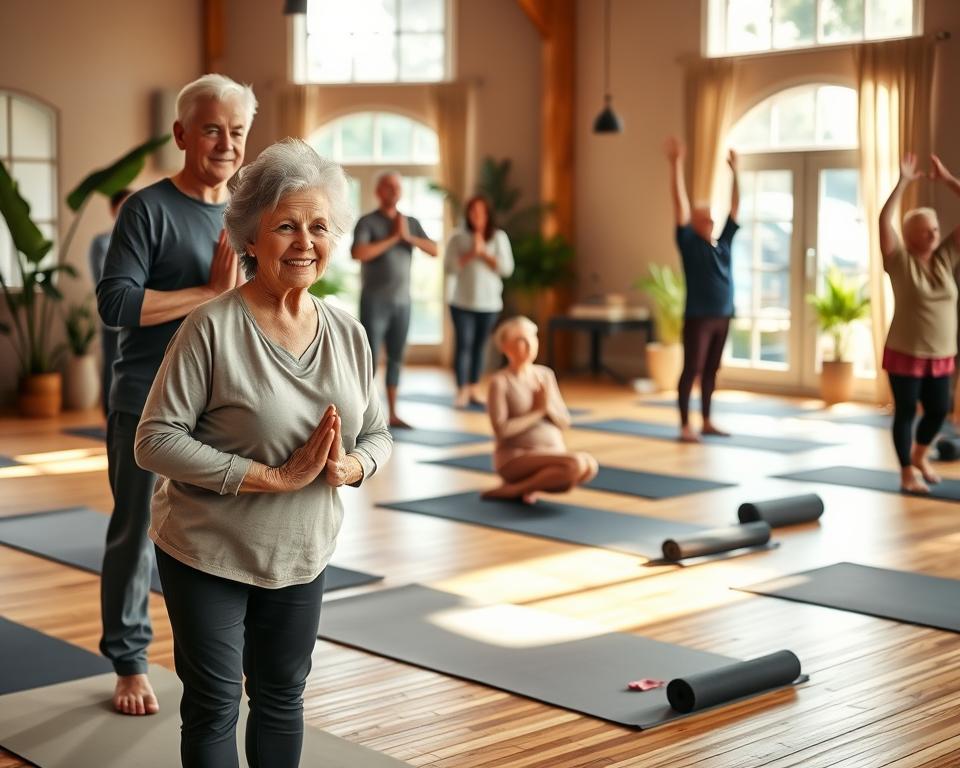
Discover Life Quality Benefits of Hot Yoga for Seniors
Author
Expert Verified
Executive Summary: Embracing Heated Wellness
Exploring a dedicated hot yoga for seniors practice after age 65 can be a transformative step toward systemic longevity. While traditional classes offer excellent rewards, stepping into a safely regulated, heated room unlocks deep muscular relief and cardiovascular conditioning. To understand how a heated routine compares to alternative geriatric fitness systems, read our comprehensive Pillar Article: Pilates vs Yoga for Seniors.
Do you wake up feeling stiff? Wonder if your best days of movement are over? It’s easy to think aging means slowing down. But you have the power to change that. Starting a structured routine of hot yoga for seniors can be the perfect spark to keep you active, vibrant, and independent. It doesn’t matter how fit you are right now; your body can always adapt.
Have you thought about finding lasting vitality in a warm, supportive place? This specialized physical practice is much more than just simple stretching. It is a comprehensive method for reclaiming your foundational physical strength and mental tranquility. By choosing a regular hot yoga for seniors schedule, you are committing to a higher standard of daily wellness. These gentle movements help you stay active, soothe chronic pain, and nurture a lasting mind-body connection.
Key Takeaways
- Discover how a heated environment aids in deeper, safer muscle relaxation.
- Learn why it is never too late to introduce a new exercise program.
- Understand the potential benefits of low-impact cardiovascular movement.
- Gain confidence as a mature yogi through modifications tailored to your needs.
- Improve your daily quality of life, mental health, and overall well-being.
Your First Hot Yoga for Seniors Studio Checklist
Preparing for a heated environment requires a few unique modifications. Before attending a new class, use this checklist optimized specifically for hot yoga for seniors to ensure a safe, comfortable, and highly rewarding experience:
| Preparation Step | Why It Matters for Hot Yoga for Seniors |
|---|---|
| Arrive 15 Minutes Early | Allows your respiratory system to adjust to the room’s ambient temperature before the hot yoga for seniors routine begins. |
| Bring an Extra Towel | Placing a non-slip yoga towel over your mat prevents slipping, which is a key safety metric in hot yoga for seniors. |
| Choose a Spot Near the Door | The air is typically cooler near the exit, providing a built-in safety valve for anyone new to hot yoga for seniors. |
Is Hot Yoga OK for Seniors?
⚡ Quick Verdict: Is Hot Yoga Safe for Seniors?
Yes. When practiced with proper medical clearance and senior-focused modifications, a structured hot yoga for seniors routine is both safe and exceptionally beneficial for joint mobility, circulation, and balance. However, practitioners over age 65 must strictly prioritize hydration, utilize available studio props, and systematically monitor their individual heat tolerance.
Are you wondering if a hot yoga practice is truly safe and effective for older adults? While it is an intense exercise program, a growing number of seniors find that entering a controlled yoga studio environment helps them conquer daily stiffness and build lasting resilience. You can experience these physical gains safely if you are careful, properly hydrated, and thoroughly prepared.
Understanding the Safety of Heated Environments
In a typical heated class, the room heated to a specific climate usually sits between 30 and 40 degrees Celsius with balanced humidity. This specific heat helps your skeletal muscle tissue relax faster and allows the body to stretch without sudden shocks. However, managing extreme heat requires an intentional approach; if you are new to this style, you must monitor your initial tolerance. See how your internal circulatory system adjusts, as maintaining personal comfort is your absolute key to success.
Consulting with Healthcare Professionals Before Starting
Before stepping onto a mat in a heated studio, it is essential to discuss your plans with your doctor. This initial screening is a non-negotiable safety step if you manage pre-existing health conditions such as hypertension, severe arthritis, or underlying cardiovascular shifts. Your primary physician can provide personalized safety guidelines tailored to your current physical health. Armed with medical clearance, you can begin your new exercise program with total peace of mind.
Talking to Your Doctor About Hot Yoga for Seniors
As emphasized throughout this guide, getting personal clearance from your healthcare team is a critical first step. To make your consultation as productive as possible, bring these specific discussion points regarding hot yoga for seniors to your next appointment:
“Doctor, I am planning to start a beginner-friendly class focused on hot yoga for seniors. The room is typically heated between 30 and 40 degrees Celsius with moderate humidity. Given my personal health history, do you have specific guidelines for my hydration levels, heart rate limits, or certain poses I should explicitly avoid during this hot yoga for seniors exercise program?”
Recognizing Your Body’s Unique Signals
As an experienced senior, you already know the importance of listening to your body. Pay close attention to your immediate physical responses during a session. If you experience dizziness, sudden fatigue, or feel overwhelmed by the humidity, it is always appropriate to sit down on your mat and rest. You do not need to keep pace with younger students. Honoring your body’s signals and focusing on deep relaxation is the safest way to prevent a muscle injury.
Common Myths About Hot Yoga for Seniors
Because heat therapy can seem intimidating, several misconceptions exist surrounding this fitness method. Let’s debunk the most frequent myths regarding a structured hot yoga for seniors program:
- Myth 1: You must be incredibly flexible. Fact: The exact opposite is true. A primary goal of hot yoga for seniors is to safely introduce gentle heat to help stiff, rigid muscles loosen up over time.
- Myth 2: The heat is dangerous for everyone over 65. Fact: When guided by a certified instructor and cleared by a physician, the controlled climate used in hot yoga for seniors serves as a highly therapeutic tool for joint decompression.
- Myth 3: It is way too fast-paced. Fact: Beginner-friendly styles of hot yoga for seniors focus heavily on static, slow-paced alignments rather than exhausting cardio flows.
Quality of Life Benefits of Hot Yoga for Seniors
If your primary goal is to move more freely, choosing hot yoga for older adults delivers exceptional physical rewards. Utilizing a warm, ambient environment serves as an effective way to soothe achy joints and safely ease the body into healthy movement patterns. This specialized care can dramatically improve your daily quality of life.
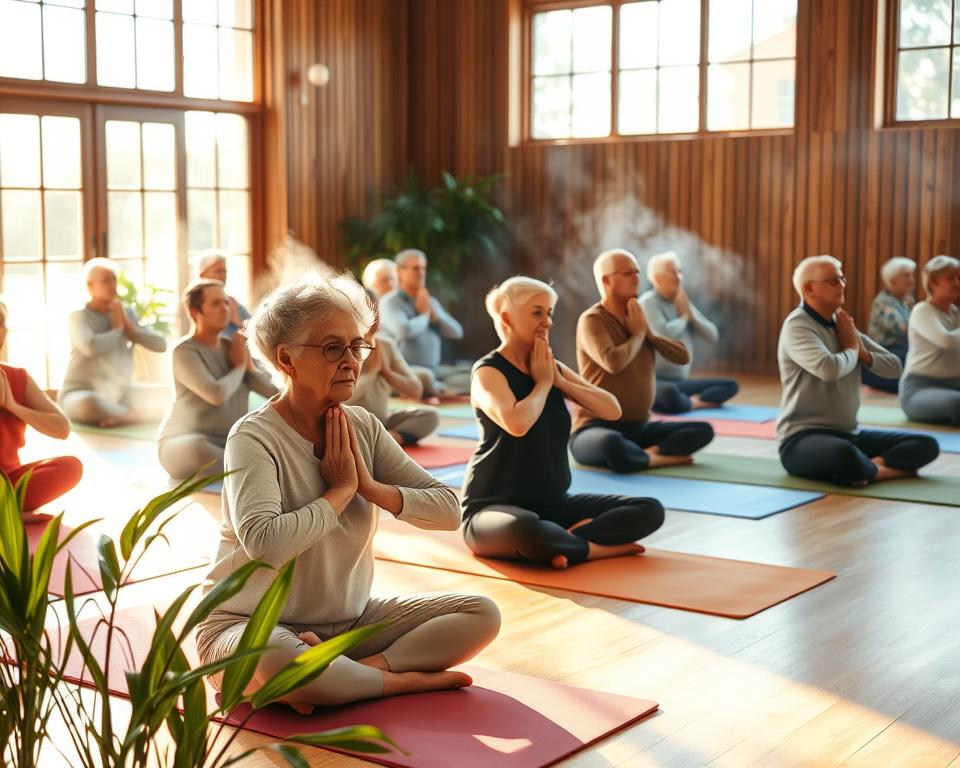
How Heat Helps Connective Tissues Become More Pliable
When practicing in a safely heated space, the localized warmth causes your connective tissues become more pliable. For individuals who constantly struggle with stiff joints or lower back pain, this environment unlocks deeper, safer movement. The targeted heat allows you to open up tight muscle groups with significantly less friction, reducing morning stiffness and revitalizing your physical health.
Improving Range of Motion and Flexibility
Whether you choose a traditional hatha yoga flow or a structured bikram yoga class featuring a set sequence of 26 postures, regular sessions will consistently improve flexibility. The heat allows you to gently lengthen major muscle chains that may have felt locked for years. Over time, this targeted training restores a youthful range of motion, ensuring you can perform daily functional tasks with comfort and ease.
Enhancing Blood Flow and Circulatory Health
The warm atmosphere naturally dilates blood vessels, which significantly blood flow throughout the entire body. This upgraded circulation delivers a rich supply of oxygen and essential nutrients straight to your joints and muscles while you build up a healthy sweat. Recognizing these systemic health benefits makes it clear why an intentional hot routine is an exceptional tool for both men and older women striving for a healthy lifestyle.
Gentle Yoga Poses to Improve Quality of Life
Integrating a few therapeutic yoga poses into your weekly routine can help you maintain your physical independence. Focusing on a low-impact, gentle yoga methodology ensures your training remains completely safe. It is an ideal way to protect your body while building foundational core power and balance.
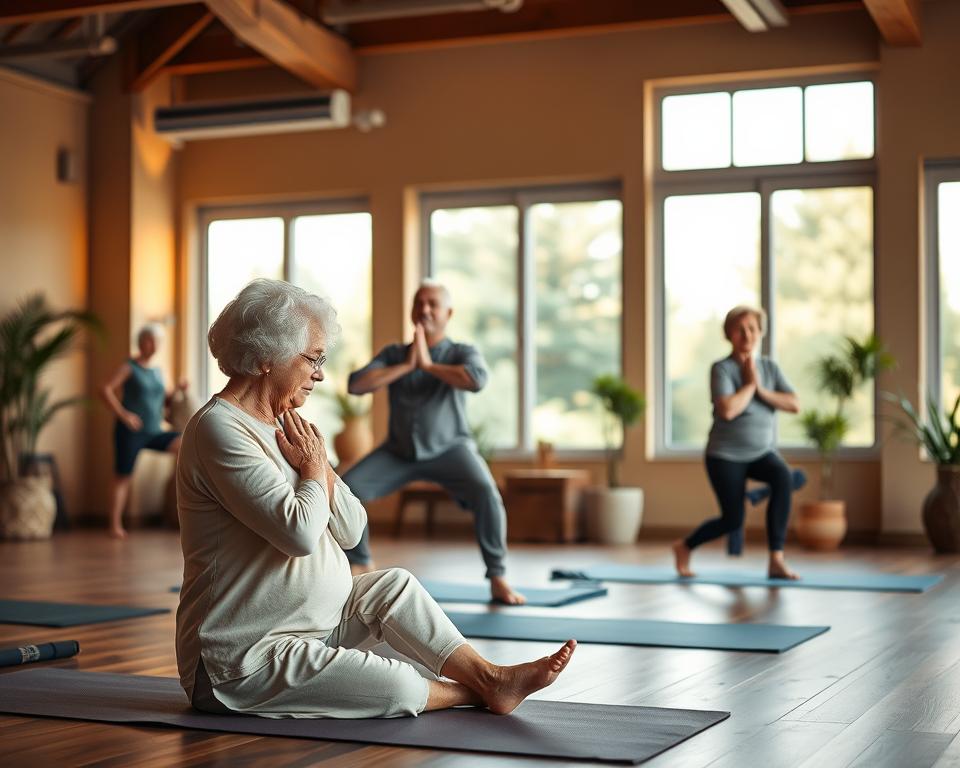
Modifying Traditional Asanas for Limited Mobility
If you are currently managing limited mobility, you do not have to skip out on these benefits. Experienced yoga instructors can easily alter traditional asanas using stable modifications. For example, incorporating elements of chair yoga into your routine allows you to enjoy therapeutic extensions while remaining safely supported. For a completely supported, low-impact routine you can practice anywhere, check out our step-by-step guide on Chair Yoga for Seniors: Gentle Exercises & Easy Poses.
Focusing on Leg Strength and Improved Balance
Developing dependable leg strength is one of the most critical defensive tools for fall prevention. A hot class introduces low-impact balancing poses that train the deep stabilizing muscles of your ankles and core. Developing this structural stability yields improved balance, giving you greater confidence when walking on uneven surfaces outside the studio.
Using Props to Make Poses More Accessible
Utilizing functional props is the best way to make challenging poses accessible. If you need maximum structural support while building up to a heated studio routine, consider exploring Wall Yoga for Seniors to safely open your joints using the stability of a wall. These tools allow you to safely progress at your own unique pace while keeping your session deeply restorative.
| Prop Type | Primary Benefit | Best Use Case |
|---|---|---|
| Yoga Blocks | Provides structural stability | Supporting hands during standing poses |
| Yoga Straps | Safely expands flexibility | Reaching feet during seated leg stretches |
| Bolsters | Delivers deep skeletal comfort | Supporting the spine during final relaxation |
The Role of Mindfulness and Breathing Exercises
The real power of a dedicated yoga practice is discovered in the quiet, focused moments on your mat. It is not exclusively about mastering complex physical movements or pushing your flexibility limits. Instead, a well-rounded approach carefully nurtures your internal state, offering therapeutic benefits that enrich your mind long after you leave the heated studio floor.
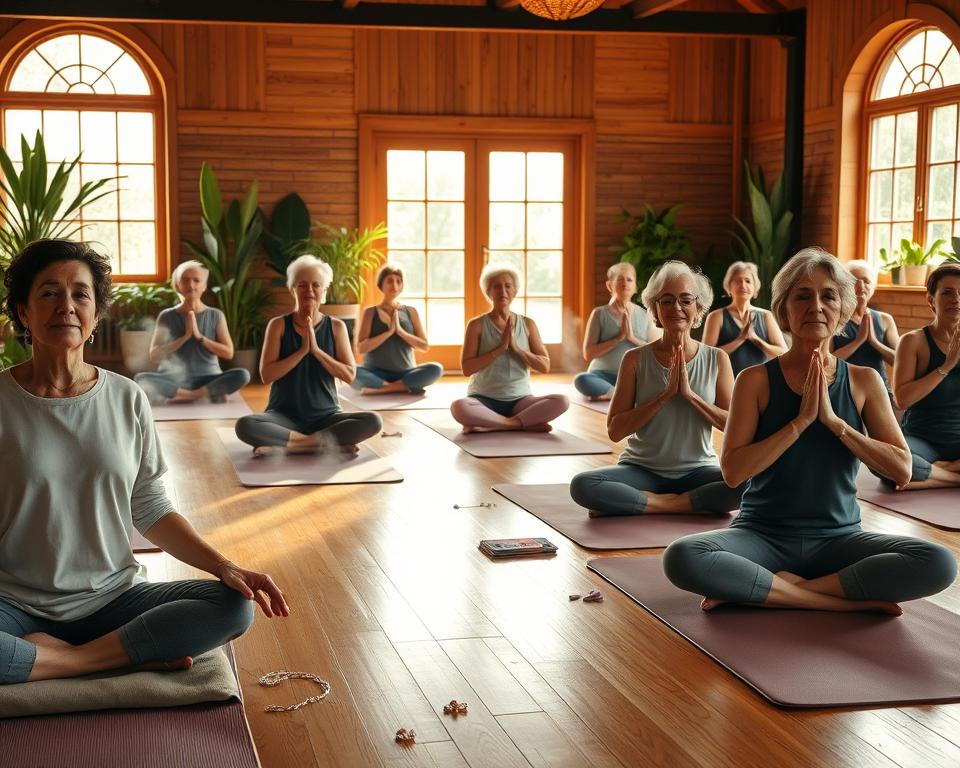
Managing Anxiety and Depression Through Breath
Intentional breathing exercises serve as a direct physiological bridge between your nervous system and your physical body. By prioritizing smooth, metered inhalations and exhalations, you can actively reduce systemic stress hormones, which helps ease symptoms associated with anxiety and depression. Even when operating within a warm climate, a steady, calm rhythm anchors your focus, transforms your perspective, and supports sustained mental health.
Deep Relaxation Techniques for Mental Wellbeing
As each session winds down, your instructor will guide you through dedicated deep relaxation modalities. This vital integration period allows both your active muscle fibers and your mind to shed lingering stress. You do not need to be an expert practitioner to enjoy these emotional rewards; simply resting quietly and focusing on personal mindfulness effectively sharpens your overall cognitive function and bolsters emotional stability.
Cultivating Body Awareness in a Heated Room
Developing sharp, intuitive body awareness is highly critical when practicing inside a heated studio space. As a mature practitioner, you quickly learn to observe subtle physical changes and respect your natural structural boundaries. Remaining fully present during a hot yoga practice ensures you honor your body with every movement, safely protecting your joints while nurturing your spirit during your retirement years.
Addressing Common Concerns for Seniors Practicing Yoga
Commencing a regular schedule of hot yoga for seniors is an incredibly proactive strategy for optimizing your physical fitness. However, it is natural to harbor initial worries regarding pre-existing chronic conditions. Candidly addressing these structural vulnerabilities early on ensures your journey remains both comfortable and exceptionally therapeutic.
Managing Arthritis and Joint Stiffness
If you routinely struggle with stiff joints or a clinical diagnosis of arthritis, targeted movement is one of your best defensive tools. The ambient temperature of a warm studio allows your connective tissues become more pliable, making it significantly easier to lubricate sensitive joints without friction or discomfort. The goal is never to overextend; simple, fluid ranges of motion are more than enough to alleviate persistent morning stiffness.
Strategies for Dealing with Back Pain
Persistent back pain is a highly frequent complaint among adults 65 and older. Formally practicing yoga under proper supervision works wonders to strengthen your deep spinal stabilizers and abdominal wall. By carefully selecting postures that reinforce core integrity and utilizing props for safety, you can effectively decompress your lumbar spine and prevent future discomfort.
Monitoring Hypertension and Cardiovascular Health
Because practicing in a heated environment naturally elevates your heart rate, managing conditions like hypertension requires an intentional approach. It is mandatory to obtain explicit clearance from your doctor before joining a class. While the controlled climate provides excellent conditioning for your circulatory system, always take breaks or sit down immediately if you experience lightheadedness, and remember to sip water consistently.
| Concern | Primary Strategy | Benefit for Older Women |
|---|---|---|
| Arthritis | Gentle, fluid movement patterns | Increased joint lubrication & comfort |
| Back Pain | Core stabilization & alignment | Improved spinal support & decompression |
| Hypertension | Controlled, mindful breathing | Better stress management & lower heart strain |
How to Choose the Right Yoga Studio and Class
Setting yourself up for long-term success begins by selecting a welcoming, professional yoga studio environment. Locating an establishment that strictly prioritizes safety, clear communication, and student comfort will make you feel completely confident from the moment you walk through the door.
Finding Instructors Experienced with Older Adults
When researching local options, make it a priority to interview yoga instructors who possess specific experience working with older adults. A skilled teacher intuitively knows how to modify postures for changing bodies and will carefully monitor the room’s conditions. Do not hesitate to ask about their credentials or their history regarding injury prevention and senior modifications.
What to Look for in Beginner Yoga Classes for Seniors
Look specifically for introductory options designated as classes for seniors, gentle flows, or therapeutic sessions. If you are specifically eager to experience the benefits of hot yoga, seek out specialized warm beginner yoga sessions rather than advanced, high-intensity formats. A steady, methodical hatha yoga class is an ideal starting framework because it emphasizes deliberate alignments and proper posture over speed.
The Importance of a Supportive Yoga Community
The cultural atmosphere of a studio is just as influential as the physical exercise itself. A welcoming, compassionate community keeps you highly motivated and accountable. Choosing an inclusive facility that celebrates steady, individual progression rather than intense competition turns your beginner’s yoga routine into an uplifting, joyful social highlight of your week.
Staying Active and Safe During Your Hot Yoga Practice
Striking a healthy, practical balance between consistency and caution is the defining element of a sustainable yoga practice. Whether you are implementing a completely new exercise program or refining an existing routine, placing personal safety at the forefront ensures you reap the rewards of heat exposure without unnecessary risks.
Hydration Strategies for Older Practitioners
Maintaining optimal hydration is the absolute cornerstone of a safe hot session. Because your body will actively sweat to regulate its internal temperature, you must consume adequate fluids hours before heading to class. Continue sipping water at regular intervals throughout your session, and replenish with electrolytes afterward to avoid fatigue and maintain peak physical strength.
Knowing When to Rest and When to Push
Honoring your body’s unique thresholds is essential, regardless of your past physical fitness levels. While your primary objective may be to improve flexibility and build leg strength, you must never fight against extreme heat. If you ever feel dizzy, overheated, or overly fatigued during a long 90-minute class, listen to your intuition, immediately transition down into a resting child’s pose, and take a break.
Adapting Your Routine as You Age
A truly successful exercise program must naturally evolve right along with you. Embracing smart modifications, taking frequent breaks, or integrating supportive props allows you to seamlessly adjust your physical movements to match your daily energy levels. Embracing these personal adaptations empowers you to safely preserve your independence and enjoy a healthy lifestyle for years to come.
The Core Pillars of Hot Yoga for Seniors
To successfully unlock the mental and physical benefits of a heated environment, sustainable hot yoga for seniors relies heavily on three foundational pillars:
1. Intentional Pacing: Moving deliberately inside a hot yoga for seniors studio protects heart health and prevents lightheadedness.
2. Strategic Support: Utilizing blocks, straps, and wall adjustments transforms traditional asanas into highly accessible movements during a yoga for seniors session.
·3. Intuitive Listening: Pausing to rest on your mat whenever necessary ensures your journey with hot yoga for seniors remains deeply restorative.
| Safety Focus | Action Step | Benefit |
|---|---|---|
| Hydration | Drink clean fluids before, during, and after class | Prevents dehydration & sudden muscle fatigue |
| Intensity | Listen carefully to your body’s vital signals | Substantially reduces the risk of muscle injury |
| Adaptation | Incorporate modifications and studio props | Increases foundational safety and comfort |
| Consistency | Maintain a regular, low-impact practice schedule | Improves long-term joint health and longevity |
High-Authority Resources: Hot Yoga for Seniors
National Institutes of Health (NIH)
Clinical research highlighting the physiological and cognitive benefits of yoga for older populations. This peer-reviewed evidence focuses on age-related mobility improvements. View NIH Research Study
Wikipedia: Hot Yoga Overview
Comprehensive background on the historical sequences, room temperatures, and structural styles of heated studio environments globally. View Wikipedia Article
Mayo Clinic Medical Guide
Expert clinical assessment detailing safety parameters, necessary hydration strategies, and cardiovascular precautions for heated physical practices. View Mayo Clinic Guidance
Harvard Health Publishing
Harvard Medical School insights outlining how practicing modified poses effectively helps older adults combat structural balance loss and chronic muscle stiffness. View Harvard Health Guide
Conclusion: Embracing Warmth for Lifelong Vitality
Stepping into a heated room for a structured hot yoga practice is an empowering commitment to your personal longevity and physical health. By learning how a controlled, warm environment safely coaxes tight muscles to relax, seniors can proactively combat chronic back pain, minimize severe arthritis friction, and significantly expand an aging range of motion. It is beautiful proof that it is truly never too late to introduce a healthy lifestyle change that revitalizes your overall well-being.
As you move forward, remember that safety, hydration, and mindful adaptation are your truest keys to a sustainable, regular practice. By listening closely to your body’s unique signals, utilizing supportive props, and leaning on a compassionate, encouraging studio community, you can securely capture the profound mind-body rewards of this therapeutic movement pattern for decades to come.
Ready to Discover Your Perfect Fitness Path?
While hot yoga offers incredible advantages for flexibility, circulation, and joint relief, it is highly beneficial to compare these rewards with other therapeutic low-impact disciplines to build your ultimate wellness blueprint.
Frequently Asked Questions: Hot Yoga for Seniors
Is hot yoga for seniors safe if I have pre-existing health conditions?
Safety is key when starting a new exercise. Talk to your doctor before trying hot yoga. They can tell you if the heat is safe for your health conditions. Hot yoga is great for seniors, but listen to your body and don’t push too hard to stay safe and get the most benefits.
What are the unique benefits of hot yoga for seniors compared to traditional exercise?
Hot yoga makes your body more flexible. This helps you stretch and move better. It also boosts blood flow and improves your range of motion. This supports a healthy lifestyle for seniors.
Can I still participate in hot yoga for seniors if I have limited mobility?
Yes, you can! Hot yoga is adaptable. You can try chair yoga or use props to make poses easier. In a hot yoga class, instructors will show you how to modify poses. This way, you can focus on leg strength and balance, even with limited mobility.
How does hot yoga for seniors support mental wellbeing?
Hot yoga is more than just physical. It teaches mindfulness and breathing exercises. These help with anxiety and depression. Practicing in a heated room helps you relax and feel more aware of your body. This improves your mental clarity and overall wellbeing.
Can hot yoga for seniors help with chronic pain like arthritis or back pain?
Yes, many people find relief from chronic pain through yoga. The heat in hot yoga makes it easier to move. This can help with back pain and arthritis. By focusing on gentle movements, you can reduce stiffness and improve your quality of life.
What should I look for in a yoga studio for hot yoga for seniors?
Look for classes designed for seniors or beginners. Find instructors who understand older adults’ needs. A supportive community and welcoming environment will help you stay motivated.
How should a senior stay hydrated during a hot yoga practice?
Hydration is key in hot yoga. Drink water before, during, and after class. This helps you stay safe and active. Knowing the benefits of heat means knowing when to rest and when to push yourself gently.
Is it ever too late to start practicing hot yoga for seniors?
It’s never too late to start! Adults 65 and older can see big changes in strength and brain function. Hot yoga helps you stay independent and flexible. Whether you’re new to yoga or have been practicing for years, hot yoga for seniors welcomes you.
What is the difference between Bikram yoga and hatha yoga for older women?
Bikram yoga is a 90-minute session in a very warm room. Hatha yoga is a more general term for practicing yoga postures. Both offer benefits, but hot yoga is great for those with stiff joints. Seniors can find a style that fits their needs and helps them connect mind and body.
How often should I engage in hot yoga for seniors to see results?
To see benefits, practice hot yoga regularly. Aim for two to three times a week. This will improve flexibility and balance. As you age, make hot yoga a part of your exercise routine. It supports your wellbeing and keeps you moving with confidence.

About the Author: Barbara J. Dowling
With over 40 years of dedicated experience working one-on-one with senior citizens, Barbara J. Dowling is a leading voice in geriatric wellness, retirement planning, and government assistance.
As the founder and primary contributor to Seniors Life Hub, Barbara leverages her decades of firsthand insight to provide seniors and their families with practical, evidence-based guidance. Her mission is to ensure every individual navigates their golden years with the health, purpose, and joy they deserve.