← Back to Ultimate Hobbies for Seniors Guide
Fun Games for Senior Citizens:
The 2026 Cognitive & Social Wellness Guide
Expert-vetted strategies to reduce stress, sharpen mental agility, and foster deep social connections.
Last Fact-Checked & Enhanced: April 5, 2026| Reflecting 2026 Hobbies & Community Trends
Executive Summary: The Power of Play
Engaging in fun games for senior citizens is no longer viewed as just a pastime; it is a vital component of successful aging. In 2026, clinical research confirms that strategic play serves as a primary defense against cognitive decline and social isolation.
This guide explores how fun games for senior citizens—ranging from classic board games to modern digital experiences—act as a “workout for the brain,” improving memory retention, focus, and overall emotional well-being.
Looking for more than just games? Explore our
Complete Directory of 50+ Hobbies for Seniors.
Author
Expert Verified
As we navigate the golden years, maintaining a sharp mind and a vibrant social circle becomes paramount. You might ask, “How can I stay connected while keeping my brain active?” The answer lies in the intentional use of fun games for senior citizens. Whether played solo for quiet reflection or in a bustling group setting, these activities provide a unique blend of challenge and joy.
Cognitive Health
Strategic fun games act as mental resistance training, slowing brain aging and boosting problem-solving skills.
Social Vitality
Group-based activities for elderly adults fight the “loneliness epidemic” by fostering consistent human connection.
Stress Reduction
Immersion in fun games for senior citizens triggers dopamine release, significantly lowering cortisol and daily stress levels.
The Importance of Fun Games for Senior Citizens
In modern geriatric wellness, playing senior-friendly games is considered a “high-yield” activity. By participating in recreational activities for seniors, you are investing in your neuroplasticity—the brain’s ability to form new connections at any age.
Watch: How fun games for senior citizens improve daily mental clarity.
Boosting Mental Agility
Games can effectively slow down the cognitive aspects of aging by presenting the mind with novel challenges. Whether it’s complex strategy games or quick-thinking brain teasers, these fun games for senior citizens ensure that your focus and problem-solving skills remain sharp through consistent use.
Interactive Card Games to Play
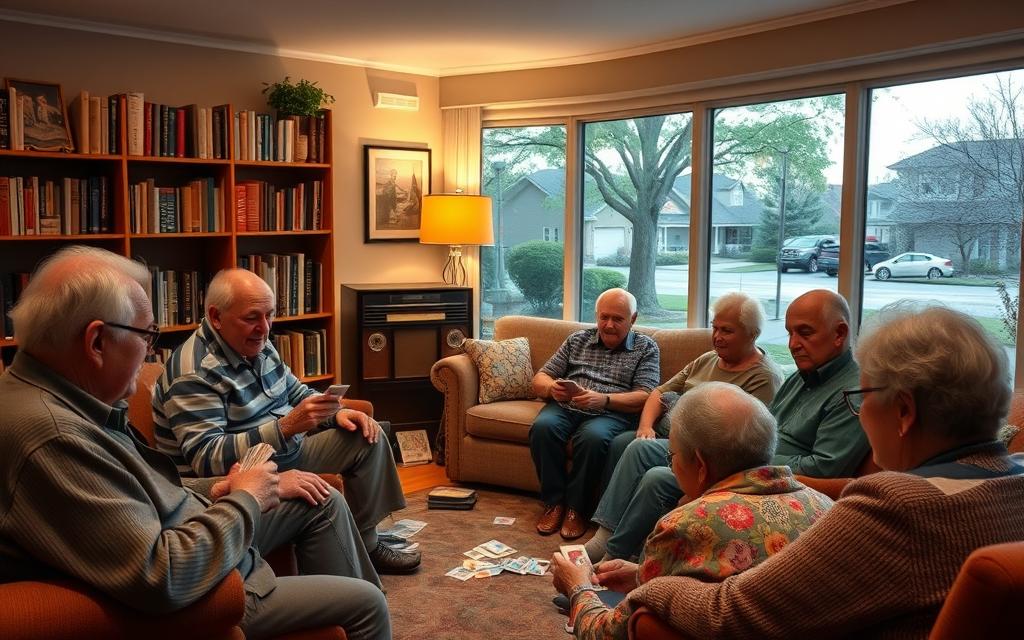
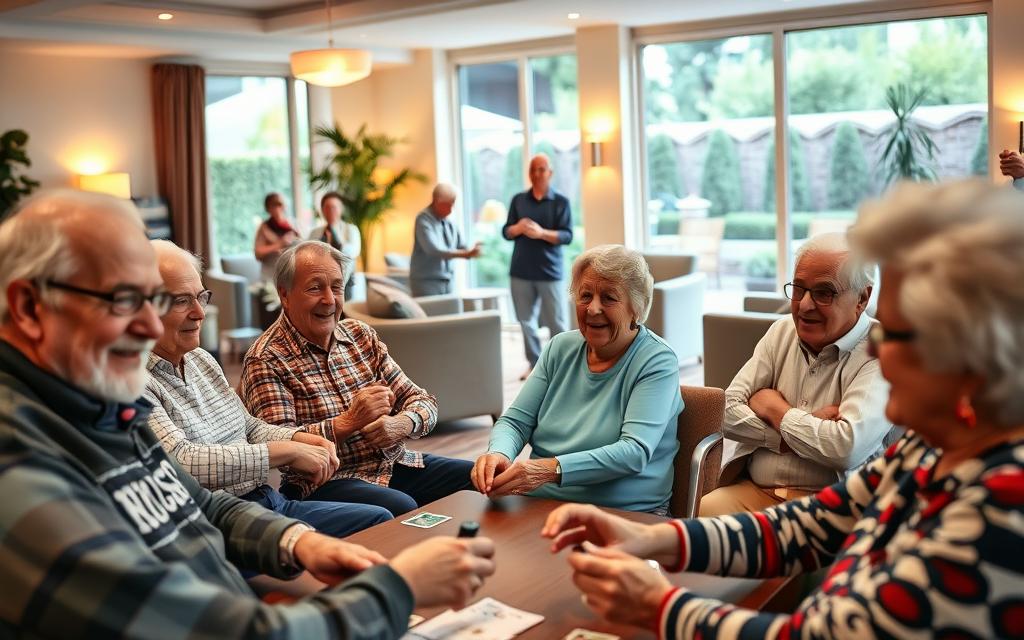
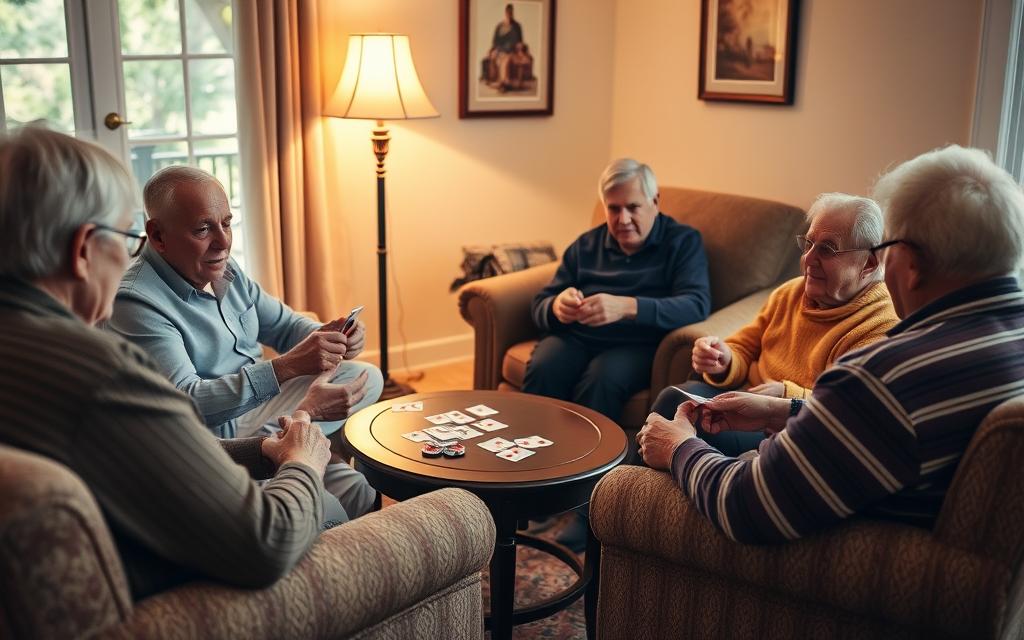
Engaging in interactive card games is a premier way for older adults to bond. Utilizing fun games for senior citizens like Gin Rummy, Bridge, and Canasta provides endless entertainment while acting as a catalyst for social interaction and cognitive maintenance.
Traditional Card Games Everyone Loves
Classic card play remains a staple in retirement communities. Gin Rummy is particularly popular among those seeking fun games for senior citizens because it balances simplicity with rewarding mental engagement.
Bridge remains another top-tier choice for its strategic depth. These activities help individuals meet new neighbors and foster a sense of belonging through shared play.
Modern Card Variations for Extra Fun
Newer variations add a refreshing twist to traditional game nights. Options like Hand and Foot or Pinochle introduce fresh rules and complex strategies, perfect for those eager to master a new skill alongside family and friends.
Group Card Game Competitions
For those with a competitive streak, local tournaments offer a vibrant community atmosphere. Many senior centers host weekly clubs, making it easy to stay active and socially connected through friendly competition.
Beyond the Game Table
While games are vital for mental agility, a balanced lifestyle includes creative and physical pursuits. See how to build a diverse weekly routine in our Ultimate Hobbies for Seniors Guide.
Outdoor Games for Active Seniors
Stepping outside to participate in fun games for senior citizens is an excellent strategy for maintaining physical health and building lasting friendships in a natural environment.
Nature and Fitness Combined
Outdoor engagement allows you to enjoy fresh air while improving cardiovascular health. Activities like walking clubs or organized park events provide significant long-term wellness benefits.
| Activity | Physical Benefit | Social Benefit |
|---|---|---|
| Shuffleboard | Hand-eye coordination | Teamwork |
| Pickleball | Heart health | Engagement |
| Bocce Ball | Gentle exercise | Strategy |
Gentle Sports for All
Inclusive sports are designed to accommodate all fitness levels. By choosing these fun games for senior citizens, every participant can enjoy the thrill of the game regardless of mobility constraints.
Community Events
“Community outdoor events facilitate new connections and foster a vibrant sense of belonging.”

Mind-Engaging Puzzles and Trivia
Intellectual stimulation is key to longevity. Incorporating fun games for senior citizens like high-level puzzles and trivia challenges can slow cognitive aging and boost overall mood.

Crossword and Sudoku Challenges
Crosswords are exceptional for vocabulary retention and memory recall. Similarly, Sudoku challenges offer a logical workout that can be enjoyed solo or as a collaborative fun games for senior citizens activity with friends.
Social Trivia Nights
Trivia events at community centers provide a unique platform to test your knowledge while meeting new people. These nights are vital for maintaining a sharp mind and a healthy social life.
The Benefits of Brain-Training Games
Regularly engaging in brain-training games improves focus, problem-solving, and memory. By making these challenges a daily habit, you ensure your mental agility remains a top priority throughout your golden years.
Digital and Online Games for Seniors
Modern technology has opened a new frontier for entertainment and cognitive health. Many fun games for senior citizens are now available in digital formats, offering a unique blend of mental exercise and virtual social interaction that can be accessed from the comfort of home.
Simple Apps for Fun and Learning
Popular applications like Words With Friends and Candy Crush are highly effective for maintaining mental sharpness. These interactive games for seniors feature intuitive designs and progressive difficulty levels that keep the user challenged and engaged over time.
Virtual Connectivity Through Gaming
Participating in online games for seniors allows individuals to bridge the distance with family members or meet new friends in secure gaming communities. This digital connection is a powerful tool against social isolation, helping seniors feel more integrated into the modern world.
Multiplayer Online Options for Socializing
Exploring multiplayer fun games for senior citizens often leads to new hobbies and long-distance friendships. Whether joining a virtual bridge club or a trivia room, these platforms foster a sense of belonging that supports both emotional and cardiovascular health.
Arts and Crafts as Games
Creative expression can often be structured into fun games for senior citizens, such as collaborative mural painting or speed-knitting challenges. These activities promote relaxation while stimulating the motor skills and social bonds of all participants.
Creative Activities for Fun and Relaxation
Engaging in therapeutic pursuits like pottery or painting provides a profound sense of accomplishment. When framed as fun games for senior citizens, these artistic endeavors become less about perfection and more about the joy of the creative process and shared laughter.
Group Workshops for Skill Building
Many community centers offer structured workshops where seniors can learn new techniques in a supportive environment. These sessions provide an excellent platform for skill-building and collaborative problem-solving among peers.
Exhibitions and Showcases of Work
Displaying finished projects in local showcases boosts confidence and fosters community pride. It allows participants to celebrate their talents and share their unique perspectives with friends and neighbors.
Music and Performance Games
The rhythmic and theatrical arts offer some of the most exhilarating fun games for senior citizens. From karaoke competitions to interactive dance routines, these performance-based activities keep the heart healthy and the spirit uplifted.
Sing-Alongs and Karaoke Fun
Vocal participation is a natural stress-reducer. Shared musical experiences through fun games for senior citizens encourage emotional release and mood enhancement, making them a staple at social gatherings.
| Benefit | Description |
|---|---|
| Social Interaction | Connects peers through shared musical nostalgia. |
| Stress Reduction | Singing reduces cortisol and anxiety levels. |
| Mood Enhancement | Releasing endorphins through favorite melodies. |
Dance Games to Keep Moving
Interactive dance games can be adapted for all mobility levels, including seated versions. These activities improve balance and coordination while providing a fun, rhythmic workout for the whole body.
Storytelling and Dramatic Play
Role-playing and dramatic storytelling spark the imagination and allow seniors to share life lessons in an engaging way. These activities are vital for maintaining verbal fluency and emotional intelligence.
Safety & Accessibility Guidelines
To ensure that every participant remains comfortable and safe, we recommend implementing these environmental and ergonomic adjustments. Focus on inclusivity to maintain high engagement levels regardless of physical or sensory changes.
Lighting & Ergonomics
- High-Contrast Materials: Use card decks and board pieces with bold, distinct colors to reduce eye strain.
- Anti-Glare Solutions: For digital play, apply matte screen protectors to tablets to minimize harsh reflections from overhead lighting.
- Posture Support: Ensure seating provides adequate lumbar support, especially during extended sessions of strategy-based activities.
Hearing & Vision Support
- Large-Print Assets: Utilize oversized instructions and broad-face playing cards for better legibility[cite: 361].
- Voice-Command Software: Integrate apps that allow for speech-to-text navigation to assist those with manual dexterity challenges.
- Acoustic Management: In group settings, choose environments with soft furnishings to dampen background echo and improve clarity of conversation.
Tips for Choosing the Right Games
Selecting the most effective fun games for senior citizens requires a thoughtful approach that considers individual preferences and physical capabilities.
Assessing Interests and Abilities
Start by evaluating current hobbies and cognitive levels. Choosing fun games for senior citizens that align with their past interests—like a former architect enjoying complex 3D puzzles—ensures higher participation rates.
Balancing Challenge with Enjoyment
The best activities are those that provide a “flow state”—where the challenge is sufficient to keep the mind sharp but not so difficult that it causes frustration or fatigue.
Involving Family and Friends in Game Selection
Invite family members to suggest new titles or variations. Multigenerational play is one of the most rewarding ways to experience games, creating lasting memories across the entire family tree.
Ready to Rediscover Your Passions?
This guide to games is just one piece of the senior hobbies puzzle. Visit our central hub to find inspiration,
step-by-step guides, and community resources.
Additional Engagement Resources:
Frequently Asked Questions:
Fun Games for Senior Citizens
What are the benefits of fun games for senior citizens?
Engaging in these activities helps participants maintain mental acuity and executive function. Beyond the brain benefits, they provide a vital social outlet to meet new friends and stay physically active, resulting in a more fulfilling and joyous daily lifestyle.
What types of games are suitable for seniors with limited mobility?
Individuals with mobility constraints can enjoy a wide range of seated options including classic board games, card games, and modern digital puzzles. Additionally, tactile arts and crafts are excellent choices that can be enjoyed individually at home or within a supportive group setting.
How can I choose the right game for a senior citizen?
The ideal selection process involves assessing the individual’s personal interests and current cognitive or physical abilities. The goal is to find a “sweet spot” that is engaging without being frustratingly difficult. Consulting with family and close friends often reveals hidden preferences.
Are there any outdoor games that seniors can enjoy?
Absolutely. Many fun games for senior citizens are designed for the outdoors, such as croquet, bocce ball, and other gentle sports. These activities are perfect for soaking up Vitamin D while improving coordination and fostering community connections.
Can digital games be beneficial for seniors?
Digital platforms offer immense benefits, including brain-training apps and virtual worlds that facilitate global connectivity. These modern options allow seniors to play alongside distant family members, effectively bridging the gap between generations through shared play.
How can arts and crafts activities benefit seniors?
Creative outlets provide a therapeutic sense of accomplishment and relaxation. By participating in group workshops, seniors can master new skills and reduce cortisol levels, leading to significant improvements in overall emotional well-being and stress management.
What are some examples of music and performance games?
Interactive music sessions, including karaoke, communal sing-alongs, and rhythmic storytelling, are highly effective for maintaining vocal strength and memory recall. These expressive activities encourage participants to stay physically active and socially visible.
Can group game activities help seniors meet new people?
Yes. Structured group environments—like trivia nights, card clubs, and collaborative craft sessions—provide a low-pressure way to interact with peers. These settings are specifically designed to foster new friendships and strengthen community bonds.
Are there customizable game options available for seniors?
Many fun games for senior citizens can be adapted to fit specific physical or cognitive needs. Customizing a game—whether by increasing the font size of cards or simplifying rules—makes the experience more personal, accessible, and enjoyable for everyone involved.
Universal Access:
Finding Fun Hobby Engagement in Your Area
Regardless of your geographic location, building a consistent social routine is a cornerstone of long-term wellness. Accessing communal resources is easier than most realize, providing the necessary social scaffolding to maintain cognitive agility and a strong sense of belonging.
- Public Library Systems: Most modern libraries have evolved into vibrant community hubs, frequently hosting “Brain-Training” workshops, chess clubs, and puzzle-solving groups that are free to the public.
- Municipal Recreation Departments: Local government centers often coordinate morning sessions for low-impact sports, tabletop tournaments, and traditional card clubs specifically tailored for older adults.
- Digital Interest Groups: For those who prefer remote interaction, global platforms now offer moderated rooms for everything from bridge to trivia, allowing you to connect with peers across the globe from home.
By actively seeking out these public and private resources, you ensure that your recreational life remains diverse, inclusive, and socially rewarding.
Glossary of Senior Engagement & Wellness
A comprehensive guide to the scientific and recreational terminology
used throughout our 2026 hobbies and wellness series.
Neuroplasticity
The brain’s ability to reorganize itself by forming new neural connections. Engaging in novel challenges and learning new rules helps maintain this adaptability.
Cognitive Reserve
The mind’s resilience to neuropathological damage. Strategic thinking builds a mental “buffer” that helps the brain function effectively despite age-related changes.
Intergenerational Play
Recreational activities designed to be enjoyed by individuals of different ages simultaneously, fostering emotional bonds between grandparents and grandchildren.
Low-Impact Mechanics
Pastimes requiring movements that do not strain the joints, such as shuffling cards, moving light board pieces, or performing gentle adaptive gardening.
Social Scaffolding
The support framework provided by community groups and clubs that makes it easier for individuals to maintain consistent social habits and avoid isolation.
Tactile Engagement
Activities involving the sense of touch and fine motor skills, stimulating the sensory cortex and improving manual dexterity through handling small objects.
Executive Function
Mental skills including working memory and flexible thinking. Performance-based tasks and strategy puzzles are excellent for exercising these functions.
Adaptive Play
Modifying the rules or physical components of a hobby to accommodate mobility or vision levels, ensuring inclusive participation for all community members.
Cognitive Scaffolding
External aids like large-print instructions or color-coded pieces that ensure a hobby remains accessible as cognitive or visual needs change.
Gamification of Wellness
Applying competitive and rewarding elements of play to health goals, such as earning digital badges in a brain-training app.
Fun Games for Senior Citizens:
Scientific Resources & External References
The strategies outlined in this guide are supported by ongoing research into geriatric wellness and cognitive longevity. For further reading on the clinical benefits of active engagement and neuroplasticity, please consult the following high-authority resources relevant to fun games for senior citizens:
National Institute on Aging (NIA)
Explore comprehensive data regarding how participating in social and physical pastimes can support brain health as you age.
Cognitive Reserve (Technical Overview)
A detailed look at the Wikipedia entry for Cognitive Reserve, explaining the mind’s ability to improvise and find alternate ways of performing tasks.
Mayo Clinic: Healthy Aging
Medical insights into the correlation between consistent social participation and the reduction of stress-related health conditions.
CDC – Promoting Health for Older Adults
Official government guidelines on maintaining physical mobility through community-based movement and adaptive sports.

About the Author: Barbara J. Dowling
With over 40 years of dedicated experience working one-on-one with senior citizens, Barbara J. Dowling is a leading voice in geriatric wellness, retirement planning, and government assistance.
As the founder and primary contributor to Seniors Life Hub, Barbara leverages her decades of firsthand insight to provide seniors and their families with practical, evidence-based guidance. Her mission is to ensure every individual navigates their golden years with the health, purpose, and joy they deserve. Fun games for senior citizens help enhance lives.