← Back to Ultimate Hobbies for Seniors Guide
Fun Activities for Elderly Adults:
The 2026 Activity Guide
Expert-vetted strategies to boost longevity, mental clarity, and social joy.
Last Fact-Checked & Enhanced: March 31, 2026 | Reflecting 2026 Hobbies & Community Trends
Executive Summary: Proactive Aging
Finding the right fun activities for elderly men and women is no longer just about passing time—it is a medical necessity for cognitive reserve and physical mobility. This guide explores the intersection of “active leisure” and geriatric wellness. Hobbies for seniors pillar article provides more fun activities for elderly.
- Physical: Low-impact movement like Tai Chi reduces fall risks by up to 45%.
- Mental: Digital brain training and strategic gaming delay cognitive decline.
- Social: Community-based interactions are the #1 defense against senior isolation.
Author
Expert Verified
Looking for more hobbies? Explore our Ultimate Guide to 60+ Hobbies for Seniors for a comprehensive list of traditional activities.
Choosing the Best Fun Activities for Elderly Adults
Selecting the right fun activities for elderly family members depends on three primary factors: mobility, interest, and social goals.
- Identify Mobility Levels: Ensure fun activities for elderly participants match their physical comfort, such as choosing seated options for those with limited range of motion.
- Consider Social Needs: Some fun activities for elderly men and women are best enjoyed in groups, like book clubs, while others are perfect for quiet reflection.
- Focus on Variety: Rotating fun activities for elderly wellness prevents boredom and maximizes cognitive benefits.
As we transition into the later stages of life, maintaining a vibrant “action-oriented” lifestyle is essential for overall vitality. Engaging in a diverse range of fun activities for elderly individuals can dramatically improve your daily outlook. But with so many options available, which ones truly offer the best return on your time?
From specialized leisure activities that keep your heart healthy to creative pursuits that spark new neural connections, the goal is simple: make your life richer and more connected. Whether you are seeking high-energy social groups or quiet, adaptive movements, discovering the right fun activities for elderly participants is your first step toward a more fulfilling 2026.
The Vital Link Between Activity and Longevity
Remaining physically and socially active in your golden years isn’t just a hobby—it’s a framework for resilience. By integrating movement, strategic thinking, and community engagement, you create a “Triple-Threat” defense against the common challenges of aging.
Heart Health and Functional Mobility
Cardiovascular health remains the cornerstone of senior wellness. Consistent physical activity keeps the heart muscle strong and maintains the flexibility required for independent living. Simple daily routines, such as brisk walking or chair yoga, play a massive role in fighting chronic inflammation.
Beyond the heart, movement ensures you retain your functional independence, allowing you to navigate your home and community with confidence and a reduced risk of injury.
Cognitive Reserve and Brain Plasticity
“Use it or lose it” applies perfectly to the human brain. Challenging your mind through complex fun activities for elderly adults—such as learning a new language or mastering a strategy game—helps build cognitive reserve. This mental buffer is what helps slow down memory loss and keeps you sharp for the conversations that matter most.
Low-Impact Fun Activities for
Elderly Physical Health
Staying healthy doesn’t require a gym membership. There are numerous ways to stay active that are gentle on the joints but powerful for the spirit.
Video: Expert-Led Movement Strategies for Mature Adults
Adaptive Movement: Tai Chi and Yoga
For those looking for balance and relaxation, Tai Chi and Yoga offer the perfect blend of physical and mental exercise. These disciplines are specifically designed to be inclusive, accommodating various ability levels while providing significant improvements in balance and core strength.
Creative Pursuits:
Unlocking Joy through Artistic Expression
Engaging in fun activities for elderly adults often starts with a paintbrush or a knitting needle. Exploring creative outlets is a proven way to boost dopamine levels and provide a sense of personal agency. These creative activities serve as a bridge between imagination and cognitive health. While we focus on specific artistic outlets here, you can find a massive variety of creative inspiration in our main directory of hobbies for seniors.
Neuro-Aesthetic Benefits of Arts and Crafts
Participating in arts and crafts is more than just a pastime; it is a workout for fine motor skills and spatial reasoning. Whether you are working with pottery or intricate beadwork, these hobbies keep the hands nimble and the mind focused.
| Artistic Medium | Cognitive & Physical Benefit |
|---|---|
| Acrylic Painting | Enhances visual-spatial processing and emotional release. |
| Textile Arts (Knitting) | Rhythmic bilateral movement reduces cortisol and sharpens focus. |
| Sculpting & Clay | Tactile stimulation improves hand-eye coordination and grip strength. |
Music, Dance, and Digital Photography
For many, music and dance provide a unique emotional uplift that traditional exercise cannot match. In 2026, we also see a surge in digital creativity. Using a smartphone for photography or basic photo editing is an excellent way for seniors to document their legacy while learning modern tech skills.
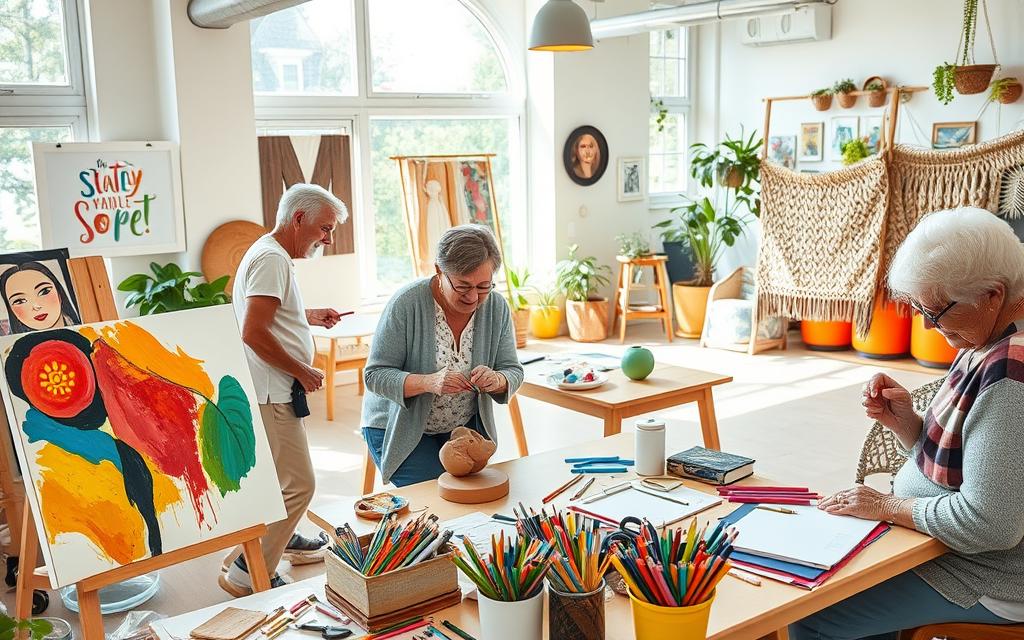
Artistic expression provides a vital sense of community and accomplishment.
Culinary Adventures:
Therapeutic Cooking and Nutrition
Food is a universal language, and fun activities for elderly foodies can range from hosting a small baking club to exploring international cuisines. Cooking is a multi-sensory experience that keeps the mind engaged through recipe following and sensory evaluation.
Nutritional Wellness and Social Dining
Transitioning to nutrition-focused cooking helps manage long-term health while keeping flavors exciting. Joining a community kitchen or participating in food preservation (like canning or dehydrating) allows you to connect with your heritage and share traditional cooking methods with younger family members.
Proactive Social Engagement:
Building Meaningful Bonds
Meaningful social activities are the ultimate defense against loneliness. Whether you join a book club at the local library or seek out volunteer opportunities, the goal is to find a sense of purpose through community.
| Activity | Social Impact | Top Locations |
|---|---|---|
| Literary Discussion | Mental Stimulation & shared insight. | Libraries, Virtual Clubs |
| Community Volunteering | Purpose-driven work and civic pride. | Charities, Animal Shelters |
| Intergenerational Play | Legacy building and knowledge sharing. | Schools, Home, Gardens |
Nature-Based Connections and
Adaptive Gardening
Connecting with the outdoors is vital for mental clarity. Fun activities for elderly nature lovers often include gardening—even if it’s just tending to a small indoor herb garden. The physical act of plant care has been scientifically linked to reduced anxiety and improved mood.
Birdwatching and Accessible Scenic Outings
For those with limited mobility, birdwatching and nature photography offer a low-impact way to enjoy local wildlife. Many parks now feature paved, accessible trails, ensuring that every senior can find a peaceful spot for a picnic or a scenic stroll.
Digital Innovation: Technology-Driven
Fun Activities for Elderly Adults
As we move through 2026, technology is no longer a barrier but a gateway to modern leisure. Integrating fun activities for elderly tech-users—such as virtual exploration and digital gaming—provides a unique blend of entertainment and cognitive maintenance that can be enjoyed from the safety of home.
Virtual Reality (VR) and Immersive Global Travel
Virtual reality has become a transformative tool for those with limited mobility. By using a headset, seniors can revisit childhood neighborhoods or explore famous international landmarks, providing profound emotional stimulation and a sense of “telepresence” that combats isolation.
| VR Application | Therapeutic Outcome |
|---|---|
| Global Exploration | Reduces “cabin fever” by simulating travel to inaccessible locations. |
| Nature Immersion | Promotes relaxation through calming, high-definition 360° environments. |
| Cognitive Gaming | Engages spatial awareness and problem-solving through interactive 3D puzzles. |
Podcasts, Digital Communities,
and Lifelong Learning
Beyond gaming, podcasts and online learning platforms offer endless mental stimulation. Whether you are participating in a social media community for retirees or taking a university-level course at your own pace, these digital tools ensure that your leisure activities remain intellectually rewarding.
Mindful Relaxation:
Fun Activities for Elderly Stress Reduction
In the modern age, finding peace is just as important as staying active. Traditional fun activities for elderly individuals often focus on movement, but “restorative leisure” through meditation and mindfulness is essential for emotional equilibrium and cardiovascular health.
Literary Escapism and Audiobook Communities
Joining a reading club or an audiobook community offers a double benefit: it provides a mental escape into another world while fostering a sense of belonging. Sharing insights about a recent thriller or biography keeps the mind sharp and the social calendar full.
Self-Care Rituals and Wellness Practices
Establishing a daily self-care routine—whether it involves gentle yoga, a warm bath, or practicing mindfulness techniques—helps manage the physiological effects of stress. These wellness practices are foundational to a high quality of life.
Seasonal Traditions and Community Celebrations
Participating in holiday activities throughout the year tethers us to our communities and our history. From spring farmers’ markets to winter festive displays, these fun activities for elderly participants ensure that every season brings a new reason to celebrate.
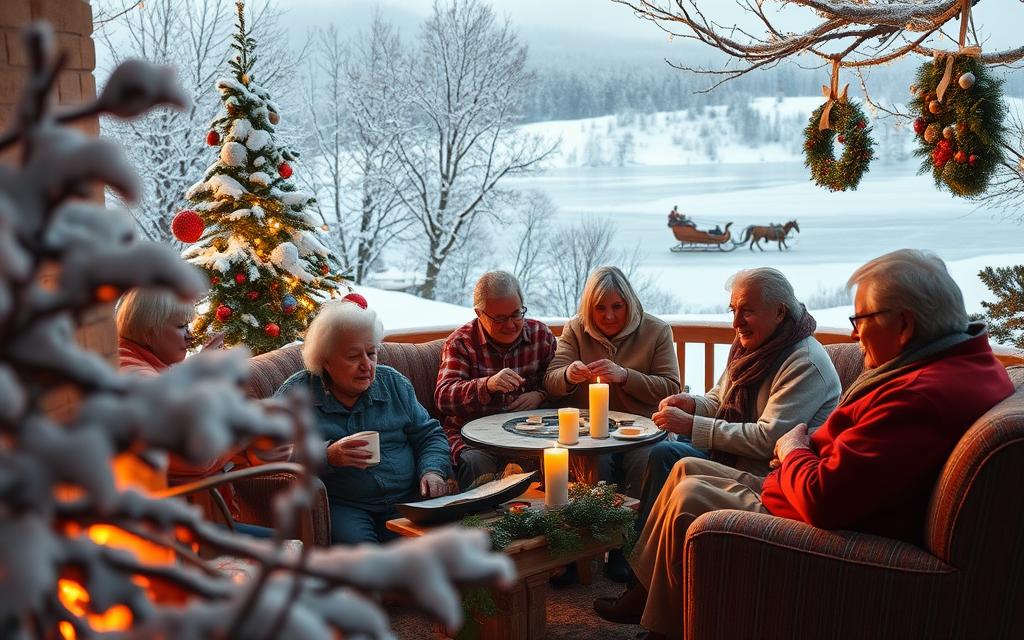
Seasonal engagement fosters multi-generational connections and lasting memories.
Adapting Festivities for All Ability Levels
Inclusive community events ensure that everyone can participate, regardless of mobility. Whether it is a wheelchair-accessible garden tour in the summer or a virtual holiday event in the winter, the goal is to keep our seniors at the heart of the celebration.
Tailored Engagement:
Fun Activities for Elderly in Assisted Living
For residents in professional care environments, recreational activities are the heartbeat of the community. Beyond mere entertainment, these programs are designed to maintain physical baseline health and provide the social scaffolding necessary for emotional stability. Integrating fun activities for elderly residents ensures that assisted living remains a place of growth and discovery.
Resident-Centric Programming
and Community Ties
Modern group activities foster deep community connections through shared experiences. From art therapy sessions that encourage emotional processing to group exercise classes that improve balance, these collaborative efforts help seniors build a supportive social network with their peers.
Personalized Care and Adaptive Participation
Every resident has unique needs, which is why personalized activities are essential. Whether it involves one-on-one cognitive training for memory support or adaptive physical activities for those with limited mobility, a customized approach ensures that no one is left behind.
Activity directors serve as the architects of this vibrant lifestyle, working closely with families to ensure that both in-person and virtual connection tools are utilized to keep loved ones involved in the daily joy of the community.
Embracing a Vibrant, Active Lifestyle
in 2026
As we navigate the opportunities of 2026, it is clear that “active aging” is a choice we make every day. By integrating a diverse mix of fun activities for elderly men and women—ranging from digital brain games to nature-based gardening—you are doing more than just staying busy; you are building a legacy of health and resilience.
Whether you are mastering a new recipe, joining a local book club, or simply taking a mindful walk through a park, every intentional action contributes to a more fulfilling life. We encourage you to remain curious, adapt your favorite pastimes to your current abilities, and prioritize the social bonds that make life truly rich.
Ready to Explore More?
The journey toward a vibrant retirement is just beginning. Discover our comprehensive database of specialized interests and professional guidance.
Frequently Asked Questions:
Fun Activities for Elderly Adults
How often should I engage in new leisure activities?
For optimal cognitive health, experts suggest trying something new at least once a month. Consistency in your daily fun activities for elderly wellness—like 15 minutes of puzzles or a short walk—is more effective than occasional high-intensity efforts.
What if I have limited mobility or use a wheelchair?
Most modern programs are highly inclusive. Adaptive options like chair yoga, seated aerobics, and indoor gardening are designed specifically for those with physical constraints, ensuring everyone can remain active and engaged.
Can technology really help with social isolation?
Absolutely. Tools like video calls, social media communities, and virtual reality travel allow seniors to “visit” family and explore the world from home, providing vital emotional connections when in-person visits aren’t possible.
Are these activities suitable for those with early-stage dementia?
Yes. Sensory-based pursuits such as listening to familiar music, looking through photo albums, and simple tactile crafts can provide significant comfort and cognitive engagement for those experiencing memory challenges.
How do I find local senior community events?
Check your local library, community center, or municipal website. Most towns have a dedicated “Council on Aging” that publishes monthly calendars featuring workshops, dance classes, and volunteer opportunities.
Is it ever ‘too late’ to start a new hobby?
Never. The brain remains “plastic” throughout life, meaning you can form new neural pathways at any age. Learning a new skill—whether it’s digital photography or baking—is one of the best ways to maintain vitality in your golden years.
Glossary: Understanding Active Engagement
To get the most out of your leisure time, it helps to understand how different types of participation benefit your mind, body, and spirit.
Active Leisure
Any pastime that requires physical or mental participation rather than passive consumption. This includes hobbies like gardening, dancing, or strategic gaming that keep the participant fully present.
Cognitive Play
The use of puzzles, board games, or digital apps to “play” with complex ideas. This form of entertainment is a primary driver in maintaining mental sharpness and problem-solving skills.
Social Scaffolding
The structural support provided by organized groups, such as book clubs or volunteer organizations, which makes it easier for individuals to maintain consistent human connection.
Tactile Creativity
Hands-on artistic expression, such as pottery, knitting, or woodworking. These pursuits provide a sense of accomplishment by turning abstract ideas into physical objects you can hold.
Low-Impact Movement
Forms of exercise that are gentle on the joints while still providing a cardiovascular workout. Common examples include water aerobics, Tai Chi, and seated yoga.
Digital Literacy
The ability to find, evaluate, and share information via modern technology. Mastering this skill opens up new worlds of virtual travel, online learning, and remote social groups.
Expert Resources & Clinical References
Our recommendations are grounded in geriatric research and evidence-based wellness strategies. Explore these high-authority sources for deeper insights into the benefits of active aging.
Government Research
National Institute on Aging (NIH) →
Clinical data on the biological impacts of movement and exercise for older populations.
Medical Authority
In-depth guides on neuroplasticity and the cognitive benefits of lifelong learning.
Scholarly Overview
Theories and historical perspectives on maintaining physical and mental health in later life.
Global Policy
Global standards and community-building initiatives for geriatric social participation.

About the Author: Barbara J. Dowling
With over 40 years of dedicated experience working one-on-one with senior citizens, Barbara J. Dowling is a leading voice in geriatric wellness, retirement planning, and government assistance.
As the founder and primary contributor to Seniors Life Hub, Barbara leverages her decades of firsthand insight to provide seniors and their families with practical, evidence-based guidance. Her mission is to ensure every individual navigates their golden years with the health, purpose, and joy they deserve.