← Back to Ultimate Hobbies for Seniors Guide
Clinical Foundations of
Therapeutic Activities for Seniors
Last Fact-Checked & Enhanced: April 10, 2026 | Reflecting 2026 Hobbies & Community Trends
Executive Summary: As we navigate the complexities of 2026 aging, clinical research confirms that intentional engagement is the antidote to cognitive decline. Implementing structured therapeutic activities for seniors serves as a non-pharmacological intervention to reduce cortisol levels and enhance daily executive function. These evidence-based modalities are a critical subset of our master guide to hobbies for seniors, providing a framework for maintaining physical autonomy and emotional resilience through every stage of retirement.
Author
Expert Verified
Clinical Advantages: Why Intentional Play Matters
- ✔ Neuroplasticity Support: Novel tasks stimulate the growth of new neural connections.
- ✔ Anxiety Mitigation: Repetitive, creative motions lower the body’s fight-or-flight response.
- ✔ Functional Mobility: Low-impact movement maintains joint lubrication and muscle tone.
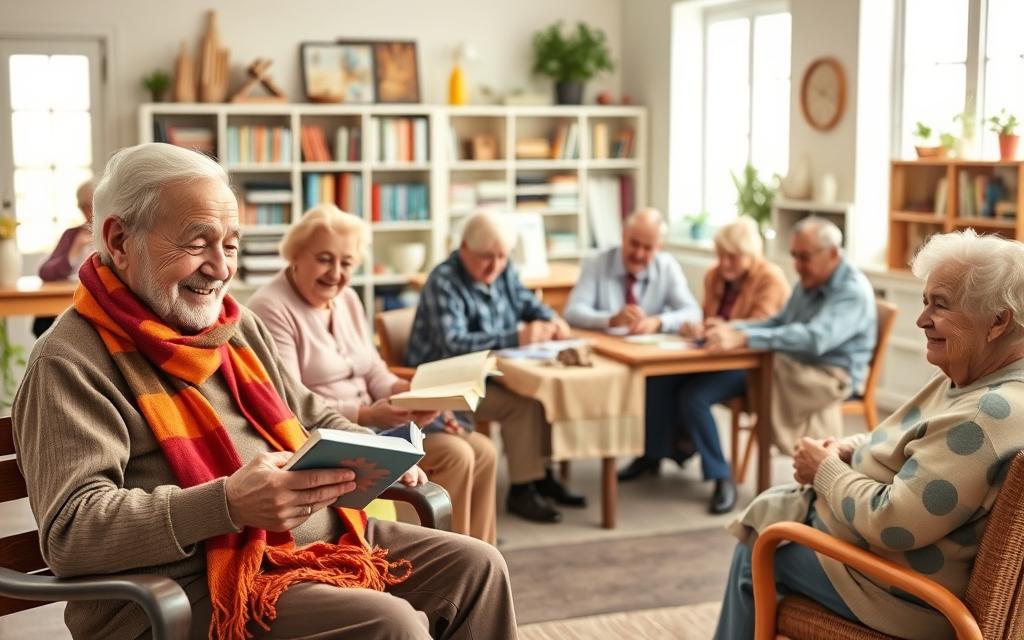
- ✔ Social Connectivity: Group-based modalities combat the epidemic of geriatric isolation.
In modern geriatric wellness, the transition from passive leisure to intentional stimulation is vital. High-quality therapeutic activities for seniors are not merely “time-fillers”; they are structured protocols designed to sustain cognitive reserve and physical dexterity. By focusing on multi-sensory engagement—such as tactile arts or auditory stimulation—caregivers can significantly improve a resident’s sense of self-efficacy and overall quality of life.
Whether integrated into home care or professional elderly care programs, these interventions utilize geriatric recreational therapy to meet specific health milestones. These methods complement our recommended list of active hobbies by adding a targeted, restorative component to the daily routine.
| Modality Type | Clinical Focus | Wellness Outcome |
|---|---|---|
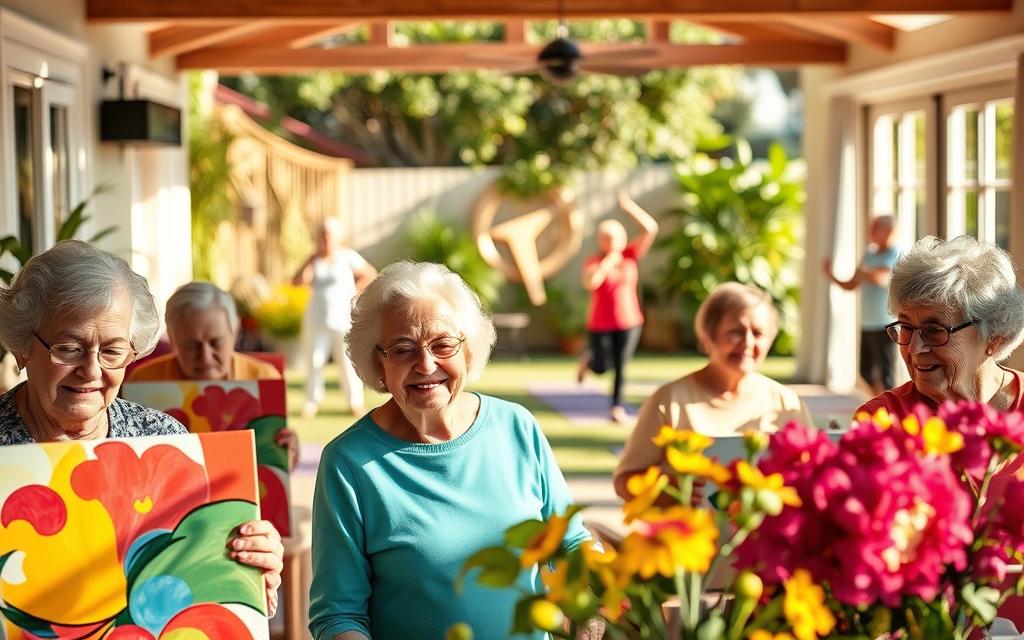
| Expressive Arts | Fine Motor & Creativity | Stress reduction and mental clarity. |
| Auditory Stimulation | Memory & Emotional Tone | Dopamine regulation and mood stabilization. |
| Adaptive Exercise | Balance & Proprioception | Reduced fall risk and improved bone density. |
Maximizing Quality of Life
Through Restorative Engagement
The adoption of therapeutic activities for seniors offers a protective benefit against the onset of dementia-related symptoms. By engaging the brain in novel challenges—such as learning a new craft or participating in a walking club—individuals stimulate neuroplasticity, the brain’s ability to reorganize itself by forming new neural connections. This biological resilience is a key factor in long-term geriatric wellness.
Beyond the mental advantages, these protocols significantly boost emotional health by creating consistent opportunities for social bonding. Regular participation in these structured events reduces markers of depression and loneliness, proving that active social circles are as vital to health as nutrition. Many of these engagement strategies overlap with our broader guide to enrichment hobbies.
Curated Selection of
Therapeutic Activities for Seniors
The most effective interventions are those that align with an individual’s personal history and physical capabilities. Therapeutic activities for seniors like nature walks or rhythmic music sessions tap into deeply ingrained memories and primal physical needs, providing a sense of grounding and purpose. These activities empower participants to express themselves in ways that traditional medical care often overlooks.
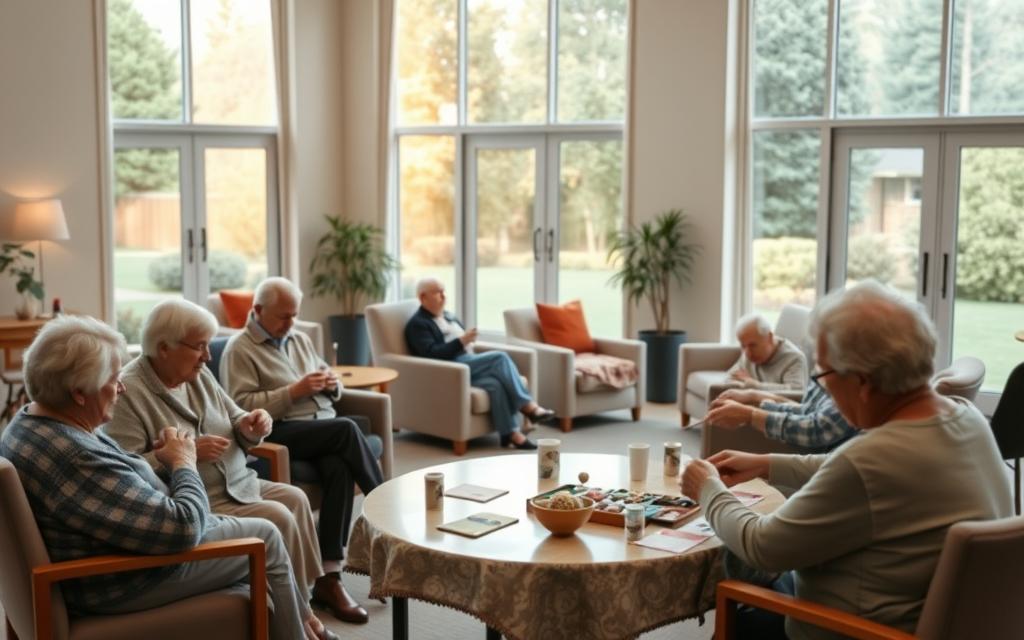
For those just beginning this journey, starting with low-intensity options like nature-based observation or collaborative knitting can yield immediate results. These entry-level choices build the confidence necessary to explore more vigorous options found in our senior hobby masterlist.
Ready to Explore More Wellness-Driven Activities?
Cognitive Resilience:
Therapeutic Activities for Seniors
Maintaining high-level cognitive function requires more than just passive reading; it demands active problem-solving and memory retrieval. Implementing specialized therapeutic activities for seniors—such as complex puzzles, Sudoku, or strategic board games—triggers the release of neurotransmitters that support mental clarity. These sessions act as a “gym for the brain,” helping to build a defense against age-related cognitive decline.
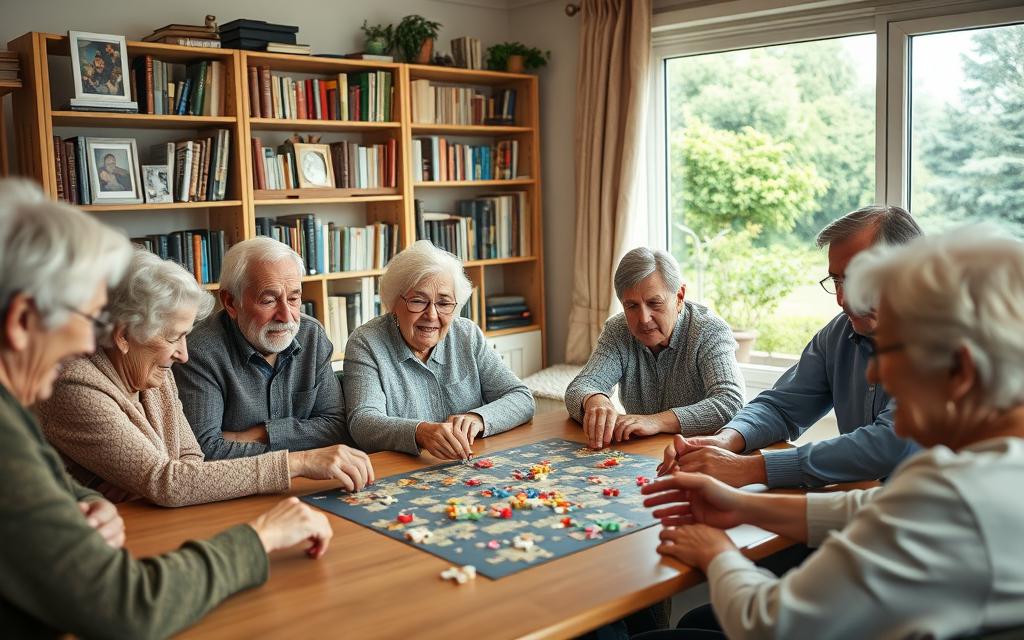
Beyond digital apps, tactile experiences like creating “Memory Books” or participating in read-aloud circles offer multi-sensory stimulation. These therapeutic activities for seniors provide a bridge between past experiences and current social reality, reinforcing a sense of identity and personal history. For a broader look at mentally engaging pastimes, see our full guide to brain-boosting hobbies.
Adaptive Movement:
Physical Geriatric Modalities
Physical autonomy is the cornerstone of independent living. Incorporating low-impact therapeutic activities for seniors, such as chair yoga or guided walking groups, ensures that joint mobility and muscle tone are preserved without overexertion. These movements focus on proprioception—the body’s ability to sense movement and location—which is critical for preventing falls and maintaining balance.

Dance classes and rhythmic movement sessions further enhance cardiovascular health while providing a joyful outlet for expression. By selecting therapeutic activities for seniors that align with individual energy levels, we can ensure consistent participation and long-term metabolic health. Explore our specialized list of active senior hobbies for more inspiration.
Customizing Your Therapeutic
Engagement Strategy
No two individuals share the same wellness requirements, which is why creating a personalized program is essential. Effective therapeutic activities for seniors are built on a foundation of “SMART” goals (Specific, Measurable, Achievable, Relevant, and Time-bound). By assessing physical limits and personal interests, caregivers can design a routine that feels like a choice rather than a chore.
| Assessment Category | Clinical Tool | Expected Result |
|---|---|---|
| Mobility Baseline | Gait & Balance Tests | Safe exercise parameters. |
| Cognitive Load | Memory & Recall Scans | Appropriate puzzle difficulty. |
| Social Inclination | Interest Inventories | Higher long-term retention. |
Social hubs like gardening clubs or book circles serve as the primary delivery mechanism for these restorative senior pastimes. These group settings foster a sense of community that is vital for emotional stability. Tracking progress—and celebrating every minor milestone—ensures that the journey toward wellness remains a positive and transformative experience.
Social Connectivity: Community-Based
Therapeutic Activities for Seniors
Isolation is a significant health risk in the “Golden Years,” but group-based therapeutic activities for seniors act as a powerful safeguard. Whether through local museum outings, book clubs, or gardening circles, these shared experiences trigger “collective effervescence”—a state of social harmony that lowers blood pressure and boosts oxytocin.
Participating in these communal events allows for natural peer-to-peer mentoring and emotional support. For those seeking a deeper sense of belonging, many of these modalities overlap with our broader collection of social hobbies for seniors, ensuring that wellness is always a shared journey.
Designing Your Personalized Wellness Blueprint
A successful program must be as unique as the individual participating. By assessing physical limits and cognitive interests, we can select the specific therapeutic activities for seniors that provide the highest “Return on Engagement.” This personalized approach ensures that activities like chair yoga or memory journaling feel rewarding rather than taxing.
| Constraint | Adaptive Solution | Wellness Outcome |
|---|---|---|
| Limited Mobility | Seated Tai Chi / Chair Yoga | Improved joint flexibility. |
| Social Hesitation | One-on-One Hobby Pairing | Gradual confidence building. |
| Resource Gaps | Virtual Engagement Portals | Accessible community support. |
Overcoming participation hurdles often requires building trust first. By offering “low-stakes” entry points—like simply observing a gardening club before joining—caregivers can encourage even the most reluctant participants to eventually embrace these transformative and purposeful leisure activities.
Global Authority Resources & Clinical Studies
Occupational Science
Learn the historical and technical evolution of using meaningful activities as a form of geriatric rehabilitation.
NIH Healthy Aging
Official government research regarding the impact of social and cognitive engagement on aging well.
Clinical Memory Studies
Peer-reviewed clinical trials exploring how leisure-based mental exercises bolster cognitive reserve.
Mayo Clinic Wellness
Expert medical perspectives on the healing power of melody and rhythm for patients with neuro-challenges.
All external references are hand-selected by the Seniors Life Hub editorial team to provide verified geriatric science.
Conclusion:
The Path to Transformative Aging
Integrating therapeutic activities for seniors into a daily routine is more than a lifestyle choice; it is a commitment to neuroplasticity and physical longevity. We have seen participants rediscover their sense of purpose through music, regain mobility through adaptive dance, and find lifelong friends in community gardens.
The science is clear: active engagement is the foundation of vibrant living. By leveraging these restorative modalities, you are not just adding years to your life, but life to your years.
Ready to Build Your Custom Activity Plan?
Therapeutic engagement is just one pillar of a fulfilling retirement. Explore our master directory for more ways to stay sharp, active, and connected.
Expert Resources & Related Wellness Guides
Seated Physical Fitness
Master the top 10 seated workouts designed to improve core strength and mobility for seniors.
Foundations of Music Therapy
Explore how melodic intervention reduces stress and enhances memory recall in older adults.
Creative Therapy Ideas
Actionable ideas and musical activities that foster social connection and emotional joy.
The Power of Pet Therapy
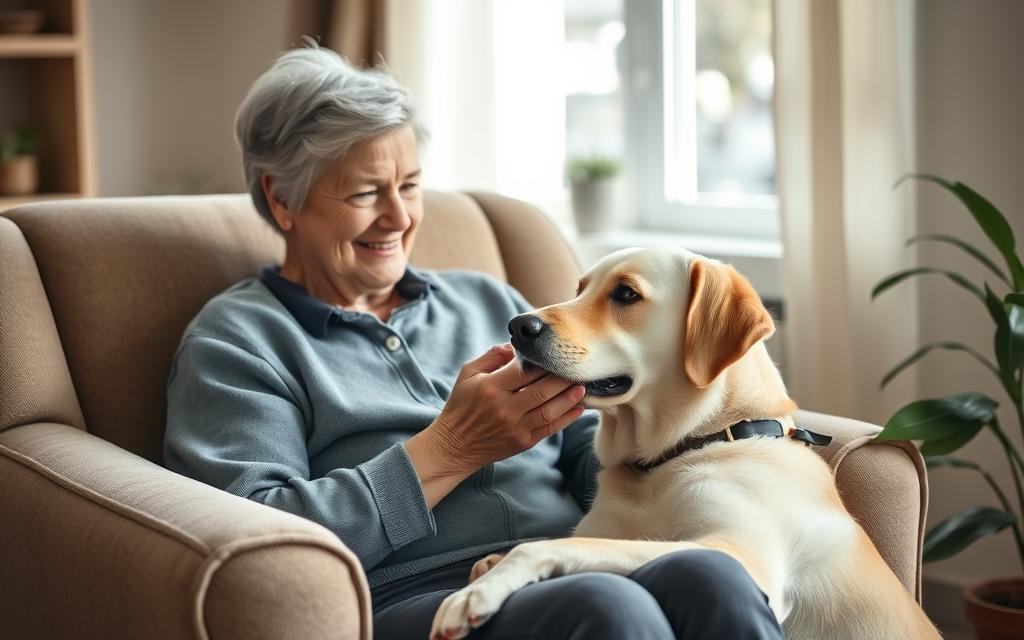
Discover the psychological and physical health benefits of animal-assisted therapeutic sessions.
Geriatric Wellness: Key Terminology
Neuroplasticity
The brain’s innate ability to reorganize itself by forming new neural connections throughout life. Engaging in novel puzzles or creative arts helps older adults maintain this flexibility, which is a primary defense against cognitive decline.
Proprioception
Often referred to as the “sixth sense,” this is the body’s ability to perceive its own position in space. Adaptive movements like chair yoga and rhythmic dance strengthen this awareness, significantly reducing the risk of falls.
Collective Effervescence
A sociological concept describing the sense of energy and harmony felt when a group participates in the same action simultaneously. Group outings and gardening clubs foster this feeling, which is proven to lower cortisol and improve heart health.
Executive Function
A set of cognitive processes—including working memory, flexible thinking, and self-control—that help us manage daily life. Structured games and collaborative projects are excellent tools for keeping these mental “gears” running smoothly.
Biopsychosocial Model
An approach to health that considers biological, psychological, and social factors as interconnected. This model is the foundation of our comprehensive lifestyle guides, ensuring wellness is addressed from every angle.
Frequently Asked Questions:
Therapeutic Engagement & Senior Wellness
What are therapeutic activities for seniors?
Therapeutic activities for seniors help them feel better. They can do art, music, exercise, and social events. These activities make their life better and healthier.
Why are therapeutic activities important for seniors?
They help seniors feel less stressed and anxious. They also improve their thinking and health. Plus, they help seniors make friends.
What are some popular therapeutic activities for seniors?
Seniors like doing arts and crafts, music, walks, puzzles, and games. These activities keep their minds and bodies active. They also help them feel connected.
How can therapeutic activities support cognitive health?
Activities like puzzles and reading aloud help seniors remember better. They also lower the chance of getting dementia. These activities keep their minds sharp.
What physical therapeutic activities are suitable for seniors?
Seniors can do chair yoga, walking, and dance. These activities make them more flexible and balanced. They are easy on the body.
How can caregivers support participation?
Caregivers can help by knowing what seniors like and need. They can set goals and track progress. They make sure seniors can join in.
Can activities be tailored to unique needs?
Yes, activities can be made just for each senior. Caregivers can pick activities that fit their needs and interests. This makes seniors feel included and supported.
What are strategies for overcoming challenges?
To help seniors join in, caregivers can solve mobility problems. They can also encourage shy seniors and find easy activities.
How does geriatric recreational therapy support health?
These programs offer many activities that help seniors stay healthy. They improve physical, emotional, and mental health. This makes seniors live better lives.
What role do mindfulness exercises play?
Mindfulness, like meditation, reduces stress and anxiety. It also makes them feel calm and well, supporting their health.

About the Author: Barbara J. Dowling
With over 40 years of dedicated experience working one-on-one with senior citizens, Barbara J. Dowling is a leading voice in geriatric wellness, retirement planning, government assistance and therapeutic activities for seniors.
As the founder and primary contributor to Seniors Life Hub, Barbara leverages her decades of firsthand insight to provide seniors and their families with practical, evidence-based guidance. Her mission is to ensure every individual navigates their golden years with the health, purpose, and joy they deserve.