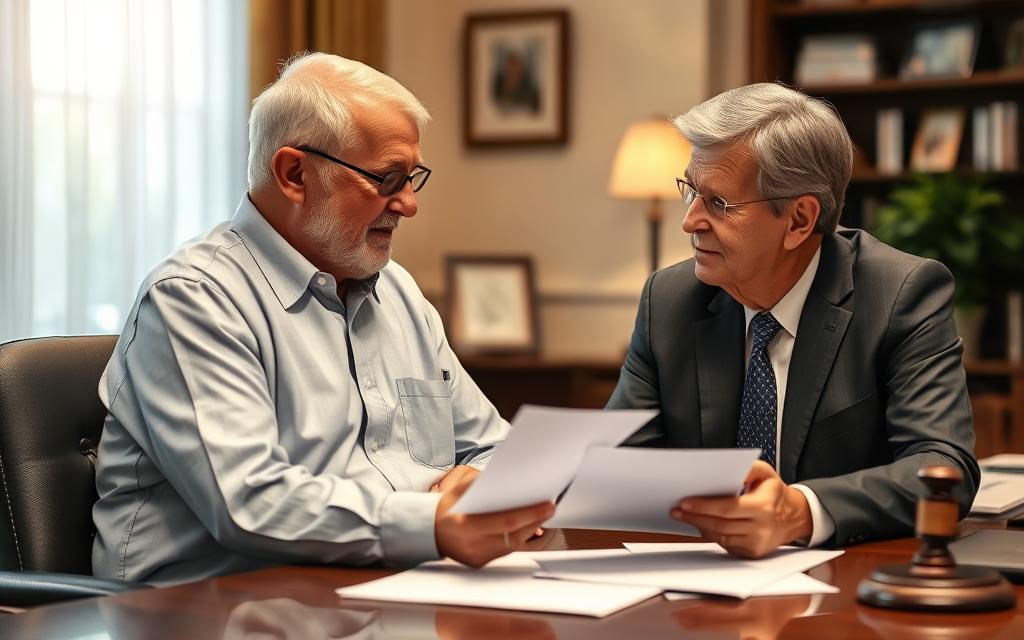
Guardianship vs Power of Attorney for Elderly: What is the Difference?
When caring for your elderly loved ones, you face big decisions. Choosing between guardianship vs power of attorney for elderly is key. It’s not just about laws; it’s about keeping them safe and happy.
Ever thought about what happens if your elderly parent can’t make choices? Who will help them then? Knowing guardianship and power of attorney can help you protect them.
Understanding legal options for elderly care is important. Learning about guardianship and power of attorney helps you make the right choice. The right choice depends on your family’s needs and situation.
Key Takeaways
- Understanding the difference between guardianship and power of attorney is key for elderly care.
- Guardianship means a court picks someone to make decisions for the elderly.
- Power of attorney lets someone choose who will make decisions for them.
- The right choice depends on the elderly person’s needs and situation.
- Legal protection is vital to keep the elderly safe and happy.
Understanding Legal Protection Options for Seniors
Caring for your elderly loved ones is complex. It’s important to know the legal options to protect them. This includes emotional support and legal frameworks.
Why Legal Planning Matters for Elderly Care
Legal planning is key in elderly care. It lets seniors make their own decisions while keeping them safe. The Administration for Community Living says making life choices is a basic right.
Planning ahead helps families ensure their loved ones get the care they need. It keeps their dignity intact.
Proactive legal planning stops problems like financial abuse. It sets clear rules for care and decision-making. This creates a supportive space for seniors to flourish.
The Emotional Impact of Legal Decision-Making
Deciding legal matters for elderly loved ones is tough. It needs care and understanding. Families must protect their loved ones while respecting their freedom.
Knowing about guardianship and power of attorney helps families make good choices. It’s about finding the right balance. This ensures seniors get the care they need and keep their rights.
Legal decision-making is not just about legalities; it’s about caring for the people who matter most. With empathy and knowledge, families can handle the challenges of elderly care.
Guardianship vs Power of Attorney for Elderly: Key Differences
Choosing between guardianship and power of attorney for seniors depends on legal details and court needs. Both help manage a senior’s life, but they’re very different. They have different legal meanings and court roles.
Legal Authority and Court Involvement
Guardianship means a court picks someone to make decisions. Power of attorney is chosen by the person themselves. Guardianship needs a judge’s approval, which can be hard and take away some rights.
Power of attorney, on the other hand, is chosen when the person can. It lets them pick who will help them if they can’t make decisions anymore. This way is less invasive and doesn’t need court help.
Decision-Making Scope and Limitations
Guardians have a lot of power to make choices for the senior. But, they must tell the court about their decisions. This keeps the guardian in check.
Power of attorney, though, can be more specific. It can give the person making decisions only certain powers. They must always think of what the senior wants.
| Aspect | Guardianship | Power of Attorney |
|---|---|---|
| Legal Authority | Court-appointed guardian | Voluntary arrangement by the individual |
| Court Involvement | Requires court intervention | No court involvement necessary |
| Decision-Making Scope | Broad authority with court oversight | Can be tailored to specific needs |
| Individual’s Rights | May result in loss of some rights | Respects individual’s autonomy |
It’s important to know the differences between guardianship and power of attorney. Think about what your senior needs, how much court involvement you want, and keeping their freedom.
Power of Attorney Explained: Your Complete Guide
Power of attorney lets you make big decisions for your elderly family member. It’s key for their care, covering money, law, and health needs when they can’t handle them.
Types of Power of Attorney for Senior Care
There are many types of power of attorney for senior care. Here are a few:
- General Power of Attorney: Gives wide power to handle money and legal stuff.
- Special Power of Attorney: Focuses on one task, like a single financial deal.
- Durable Power of Attorney: Stays active even if the person can’t make decisions anymore. It’s great for long-term care.
Durable Power of Attorney Benefits
A durable power of attorney is great for seniors. It lets the chosen agent make decisions even if the senior can’t. This brings peace of mind to families, knowing their loved one’s wishes are followed.
For example, a durable power of attorney helps pay bills and manage money, even if the senior can’t do it themselves.
Healthcare Directives and Medical Decisions
Power of attorney also covers health choices. A healthcare directive, or living will, says what medical treatments a person wants or doesn’t want if they can’t decide. It includes choices on life-saving treatments, pain relief, and more.
Having a clear healthcare directive ensures your loved one’s medical wishes are followed. This helps family members avoid making tough decisions without guidance.
Legal Guardianship for Seniors: What You Need to Know
Legal guardianship for seniors is a big decision. It needs careful thought about the legal steps and duties. When an elderly person can’t handle their life because of health issues, guardianship is key to their care.
The Guardianship Appointment Process
To start guardianship, you file a petition with the probate court. You must show the person can’t take care of themselves. This might include medical reports and doctor’s statements.
The court wants what’s best for the elderly person. They look at the person’s health and well-being.
Court proceedings mean a hearing where you explain why guardianship is needed. You should have all your documents ready to support your case.
Guardian Responsibilities and Oversight
As a guardian, you have big duties. You handle their money, make health choices, and look after their overall health. You must always act in their best interest.
Oversight mechanisms help keep the ward safe. The court checks on you and the ward often. This makes sure you’re doing a good job and making choices that help the elderly person.
Knowing about guardianship and its legal steps is important. It helps you make the right choices for your elderly loved ones. By understanding the process, you can make sure their needs are met and their rights are protected.
When Power of Attorney Is the Right Choice
Power of attorney lets seniors keep control over their lives. It lets them choose someone they trust to make decisions for them. This includes money, health, and personal choices.
Proactive Planning for Aging Adults
Planning ahead is key for elderly care. Power of attorney helps prepare for future needs. It lets seniors pick someone to make decisions for them.
Benefits of Proactive Planning: It keeps personal freedom, makes quick decisions, and avoids court trouble.
Maintaining Elderly Autonomy and Dignity
Power of attorney keeps seniors’ rights and dignity safe. It lets them pick their agent and state their wishes. This way, their choices are respected.
Maintaining autonomy is important for seniors. It lets them decide about their lives, even when they can’t do everything.
Choosing power of attorney means less interference than guardianship. It keeps seniors independent and in control. This is key for their dignity and happiness.
When Guardianship Becomes Necessary
Figuring out when guardianship is needed can be tough but very important. As older adults get older, they might not make good choices anymore. Guardianship can help protect them legally.
Guardianship is needed when someone can’t take care of themselves anymore. This includes managing money, making smart choices, and staying safe. Knowing when it’s time for guardianship helps you care for your loved one better.
Signs Your Elderly Loved One Needs a Guardian
There are signs that show your elderly loved one might need a guardian. These include:
- Memory loss that makes it hard to make choices
- Struggling with money, like unpaid bills
- Not taking care of themselves or staying clean
- Being lonely or easy to scam
- Not wanting or being able to get medical help
If you see these signs, talk to a doctor or elder law lawyer. They can figure out if guardianship is right.

Emergency Guardianship Situations
Sometimes, you need emergency guardianship to keep your loved one safe. This is when you need to make quick decisions for them, like in a medical emergency.
Emergency guardianship lets you act fast to protect your loved one. It’s a way to stop harm or neglect right away. It’s a key legal tool in emergencies.
When thinking about guardianship, remember its impact on your loved one’s freedom. Talk to elder law experts to make the right choice for their care.
Legal Capacity: The Critical Factor in Decision-Making
Legal capacity is key in making good choices. It means a person can understand and see the effects of their actions.
As we get older, our legal capacity might change. This can happen due to aging or health issues. Checking how well someone thinks is very important for making good choices.
Assessing Cognitive Ability in Seniors
Checking how well seniors think involves looking at their understanding and decision-making. Doctors and other experts do this with tests.
The results of these tests can change how we see someone’s legal capacity. It’s very important to be kind and respect their choices.
| Assessment Criteria | Description | Impact on Legal Capacity |
|---|---|---|
| Understanding | The ability to comprehend relevant information | Affects decision-making ability |
| Appreciation | The ability to understand the significance of the decision | Influences the validity of legal documents |
| Reasoning | The ability to weigh the pros and cons of a decision | Impacts the ability to make informed decisions |
How Capacity Affects Legal Document Validity
Legal capacity is very important for legal papers like powers of attorney. If someone can’t understand these papers, they might not be valid.
It’s important to make sure legal papers really show what someone wants. This helps avoid problems later on.
Knowing about legal capacity helps us support our elderly loved ones. It ensures they can make choices about their lives.
Financial Considerations: Costs of Guardianship vs POA
Guardianship and power of attorney have different costs. These costs can affect your elderly loved one’s money. It’s important to know these costs to make good choices for their care.
Initial Setup and Ongoing Expenses
Setting up guardianship can cost a lot. You’ll need to pay for court fees, lawyer costs, and maybe expert fees. On the other hand, setting up a power of attorney is cheaper. It mainly costs for the document and lawyer fees.
Ongoing expenses for guardianship include yearly reports to the court. This can cost more legal fees. For power of attorney, costs are usually low unless a professional is involved. Then, their fees apply.
| Expense Category | Guardianship Costs | Power of Attorney Costs |
|---|---|---|
| Initial Setup | Court filing fees, attorney costs, expert fees | Document drafting, attorney fees |
| Ongoing Expenses | Annual reporting, legal fees, financial management | Minimal unless professional agent fees |
Financial Protection Strategies for Elderly Assets
Protecting elderly assets needs careful planning. For guardianship, the court makes financial decisions. This is to protect the ward’s interests. For power of attorney, the agent must act in the principal’s best interest.
Key strategies include trusts and durable powers of attorney. Also, make sure financial institutions know and follow the legal plans.

Understanding guardianship and power of attorney costs helps make better choices. This ensures your loved one’s financial safety.
Working with Elder Law Attorneys: Expert Guidance
When it’s time to make big decisions for your elderly loved ones, finding the right legal help is key. Elder law attorneys know a lot about aging issues. They help with things like guardianship and power of attorney.
Expertise in Elder Law is very important for seniors. These lawyers deal with many issues. They help with estate planning and Medicaid planning too.
Finding the Right Legal Support for Senior Care
To find a good elder law attorney, ask people you trust. Family, friends, or healthcare workers can give good advice. Look for certifications like the Certified Elder Law Attorney (CELA) too.
Researching Possible Attorneys means looking at their experience and what they specialize in. Check out what others say about them. Your local bar association can also give suggestions. Then, meet with them to see if they’re a good fit.
Questions to Ask Before Making Legal Decisions
Before you decide on legal matters, ask important questions. First, ask about their experience with cases like yours. Find out how they handle guardianship or power of attorney.
Key Questions to Ask are: – What experience do you have with elder law cases? – How will you help us make decisions regarding guardianship or power of attorney? – What are the costs of your services? – How will you keep us updated during the process?
By choosing an experienced elder law attorney and asking the right questions, you get the legal guidance for seniors you need. It’s tailored to your specific situation.
Preventing Elder Abuse Through Proper Legal Planning
Understanding how legal planning can stop elder abuse is key. Elder abuse can be financial, physical, or emotional. The right legal steps can greatly lower abuse risks.
Red Flags in Guardianship and POA Relationships
Choosing a guardian or power of attorney wisely is vital. Look out for unexplained financial transactions, isolation from family and friends, and unusual changes in behavior or mood. Spotting these signs early can help protect your loved one.
Some red flags in guardianship include:
| Red Flag | Description |
|---|---|
| Unusual financial transactions | Large or frequent withdrawals from the elderly person’s accounts |
| Isolation | Restricting access to family, friends, or other support networks |
| Changes in living conditions | Significant changes in the elderly person’s living situation without clear justification |
Safeguards and Monitoring Systems
Setting up safeguards and monitoring is key to preventing abuse. This includes regular financial audits, frequent visits or check-ins, and establishing a support network. These steps help protect your loved one and catch abuse early.

Legal planning is a proactive way to protect your elderly loved ones. By understanding risks and taking steps to prevent them, you can make a safer space for them.
Making the Best Choice for Your Loved One’s Future
Choosing between guardianship and power of attorney for elderly loved ones is tough. It depends on their needs and situation.
Guardianship means the court watches over them. It’s for those who can’t make decisions. Power of attorney lets someone else make choices for them, but they get to decide too.
Think about your loved one’s needs. Do they know how to handle money? Can they understand their health needs?
Looking at these things and talking to an elder law attorney helps. This way, you can choose the best for their future. Good elderly care planning and legal decision-making for seniors need careful thought.
The main goal is to give your loved one the care they need. And to keep their dignity and freedom. Picking the right legal option brings peace of mind for both of you.
Resources:
Justice.Gov – Guardianship Overview
BEST Elderly Abuse Lawyers: Get Justice You Deserve in 2025
Legal Guide Explainer – Power of Attorney vs Guardianship