← Back to Ultimate Hobbies for Seniors Guide
Cultivating Wellness: The 2026 Guide to
Gardening for Seniors
Executive Summary: In the year 2026, therapeutic horticulture has become a cornerstone of active retirement. While many consider this a simple pastime, it is actually one of the most effective hobbies for seniors for maintaining neuroplasticity and physical independence. Gardening for seniors provides a unique multi-sensory environment that supports cardiovascular health and emotional resilience through direct contact with nature.
Author
Expert Verified
In This 2026 Guide:
Do you remember the grounding sensation of cool earth between your fingers? For many older adults, the act of nurturing life from a seed provides a profound sense of purpose and continuity. In modern wellness, this practice serves as a vital “bridge activity”—connecting physical movement with mental tranquility and nutritional autonomy. This is why gardening for seniors is so satisfying to older adults.
Key Takeaways for Successful Horticulture
- ✓
Raised Bed Ergonomics: Eliminate the need for painful bending through waist-high construction. - ✓
Adaptive Toolsets: Utilize ratcheting pruners and long-reach trowels for joint-friendly maintenance. - ✓
Cortisol Regulation: Direct contact with nature significantly lowers physiological stress markers. - ✓
Low-Impact Training: Gentle stretching and weeding improve bone density and cardiovascular health.
The Biological Impact of
Gardening for Seniors
Therapeutic horticulture is a multi-sensory experience that triggers positive physiological changes. Beyond the visual beauty of a blooming flower, the repetitive motions involved in gardening for seniors provide a unique “bio-feedback” loop that supports longevity and systemic health.
Bone Density & Proprioception
Regular engagement with soil and plants improves bone mineral density through weight-bearing activities like moving pots or mixing compost. These tasks also enhance proprioception—your body’s ability to sense its position in space—which is critical for preventing falls.
Cortisol Suppression
Studies in geriatric wellness show that 30 minutes of weeding can lower cortisol levels more effectively than indoor reading. This “green therapy” calms the sympathetic nervous system, providing immediate relief from anxiety and late-life depression.
Cognitive Reserve & Neuroplasticity
The complex planning required for seasonal planting serves as a cognitive stimulant. Navigating a seed catalog, calculating irrigation needs, and identifying plant varieties requires executive function and memory recall. This “mental friction” strengthens the cognitive reserve, acting as a natural defense against the progression of dementia and age-related decline.
Interested in more ways to stay active? Discover our full list of engaging pursuits.
Strategic Foundations:
Essential Gardening for Seniors
Embarking on a new horticultural journey in 2026 requires a shift from “labor-intensive” to “intelligence-intensive” planning. By prioritizing efficiency and ergonomic alignment from day one, you ensure that your outdoor activities remain a source of vitality rather than exhaustion.
Audit Your Micro-Environment and Physical Latency
Before the first seed is sown, perform a comprehensive audit of your available space. Consider the “Travel Distance” between your tool storage and your planting beds. Minimizing steps is a key strategy for energy conservation. Evaluate your sunlight exposure—specifically looking for areas with morning sun and afternoon shade to protect both the plants and yourself from peak thermal stress.
Mobility & Biometric Self-Check:
- Stance Duration: Can you comfortably remain upright for 15-minute intervals?
- Grip Strength: Are your hands comfortable with repetitive squeezing motions?
- Equilibrium: Do you have stable footing on uneven surfaces like mulch or grass?
- Hydration Recovery: Do you have easy access to shaded rest areas and water?
The Social Harvest: Building Intergenerational Equity
Beyond the physical yield, the most valuable crop is Heritage Knowledge. Community plots serve as vital hubs where retirement-age experts can mentor youth, fostering a sense of Self-Efficacy and shared purpose that combat late-life isolation.
Incremental Progress & The “Green Thumb” Evolution
Success in later-life cultivation depends on setting realistic, scalable objectives. Rather than attempting a full-scale vegetable plot, consider starting with a “High-Yield Herb Container.” This allows you to master the moisture requirements and nutrient cycles of your plants without a heavy physical commitment. As your stamina and confidence grow, you can expand into more complex perennials or ornamental landscaping.
Seeking other ways to enrich your daily routine?
View our full directory of rewarding hobbies →
Designing Ergonomic Infrastructure
for Gardening for Seniors
The architecture of your growing space determines your level of physical exertion. By transition to elevated systems, you move the workload from your lower back to your primary visual field, ensuring that every task is performed with optimal spinal alignment.
Optimal Elevation & Access
To eliminate the requirement for repetitive bending, aim for a height of 30 to 36 inches. This range allows for “Seated Cultivation,” where a standard wheelchair or garden stool can slide directly under the ledge, providing a stable base of operations.
Material Longevity
Select weather-resistant composites or rot-resistant cedar. These materials offer high thermal mass to protect root systems while requiring zero annual chemical treatments, ensuring your organic environment remains pristine and low-maintenance.
Substrate Selection and Precision Hydration
Standard topsoil is often too heavy and prone to compaction for elevated containers. Instead, utilize a specialized “soilless” mix containing perlite or vermiculite to ensure high oxygenation for the roots. To further reduce physical labor, integrate a smart irrigation system. Drip lines or porous soaker hoses deliver moisture directly to the rhizosphere, preventing water waste and eliminating the need to carry heavy watering cans.
High-Efficiency Adaptive Equipment
for Gardening for Seniors
Modern mechanical advantages allow enthusiasts to bypass the grip-strength limitations often associated with traditional hand tools. By selecting equipment designed with biomechanical leverage, you can maintain your landscaping with a fraction of the effort.
| Essential Tool | Traditional Challenge | 2026 Adaptive Solution |
|---|---|---|
| Hand Pruners | Requires high grip force | Ratcheting mechanism (3x power) |
| Cultivator | Wrist strain/Torque | Angled ergonomic handle & gel grip |
| Weeder | Kneeling/Stooping | Stand-up “T-Handle” extractor |
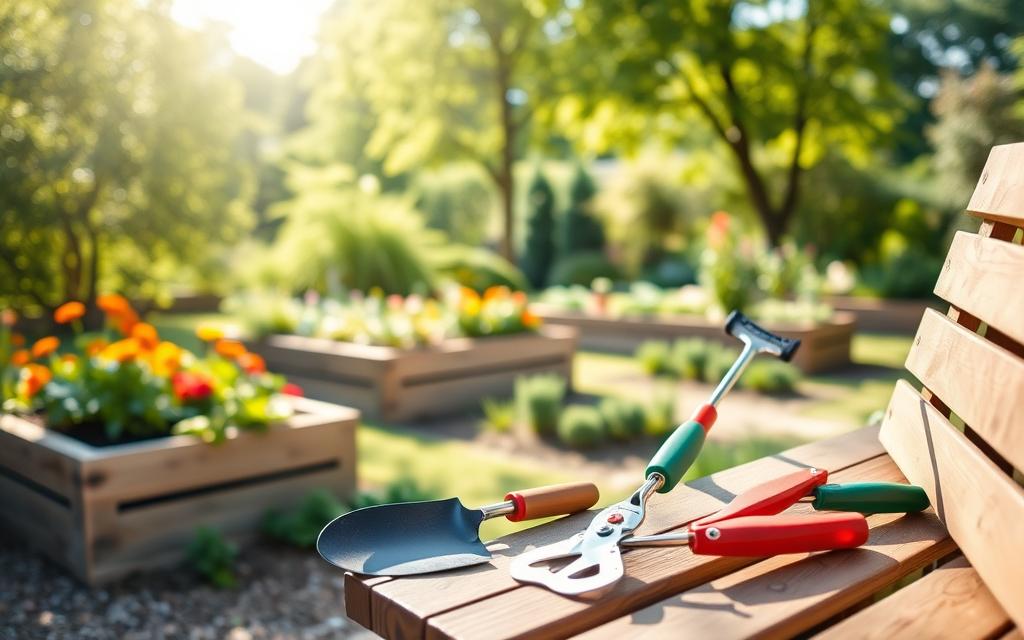
High-contrast, lightweight tools are essential for maintaining dexterity and safety.
Protective Apparel and Dermal Safety
Dermal integrity becomes more sensitive with age, making proper barrier protection a priority. High-performance gardening gloves with reinforced fingertips protect against micro-abrasions and potential pathogens in the organic matter. Additionally, moisture-wicking apparel and wide-brimmed UV-rated hats provide a secondary layer of defense against solar exposure, ensuring your time outdoors remains safe and sustainable.
Explore more ways to enhance your retirement lifestyle.
Smart Integration:
The Tech-Enhanced Garden
Modern horticultural therapy in 2026 leverages Ambient Intelligence to reduce physical cognitive load. By integrating low-threshold technology, we can bypass traditional barriers to entry for older practitioners.
Computer Vision Identification
Mobile applications now utilize neural networks for instant Botanical Identification. This eliminates the need for manual reference guides when monitoring for pests or nutritional deficiencies.
Haptic Feedback Sensors
Wearable devices can now monitor Postural Alignment in real-time, providing gentle haptic alerts to prevent lower-back strain during prolonged weeding or planting sessions.
Low-Maintenance Cultivation:
Best Plants for Gardening for Seniors
Selecting the right species is the most effective way to ensure your horticultural journey remains a joy rather than a chore. By focusing on “high-resilience” varieties, you can maintain a vibrant, productive space with minimal physical intervention.
Hardy Edibles & Herbs
Determinate Tomatoes: These varieties grow to a fixed height, making them perfect for containers without requiring heavy staking.
Perennial Herbs: Rosemary, Sage, and Thyme are exceptionally drought-tolerant and provide year-round sensory stimulation.
Resilient Ornamentals
Native Wildflowers: Choosing plants indigenous to your region ensures they can handle local weather swings with zero supplemental feeding.
Succulents: Varieties like Sedum or Echeveria store moisture in their leaves, allowing for a flexible watering schedule.
Plant Vitality & Micro-Climate Management
When planning your layout, group plants by “Hydro-Zones”—placing those with similar moisture needs together. This simplifies your routine and prevents over-taxing your physical stamina.
| Category | Hydration Cycle | Optimal Exposure |
|---|---|---|
| Leafy Greens | Consistent / Shallow | Morning Sun / Afternoon Shade |
| Root Crops | Deep / Infrequent | Full Direct Light (6+ Hours) |
| Pollinator Flowers | Moderate / Adaptive | Full Sun for Nectar Production |
Successful gardening for seniors relies on working with nature’s existing cycles rather than fighting against them. By selecting “set-and-forget” varieties, you maximize your harvest while minimizing the time spent on arduous maintenance.
Safety Protocols & Biomechanical Ease
in Gardening for Seniors
Physical longevity in the garden is achieved through proactive risk management. Addressing balance, joint protection, and thermal regulation ensures that your time outdoors remains restorative rather than injurious.
Equilibrium Maintenance & Fall Prevention
Ensure all pathways are constructed from stable, non-slip materials like crushed stone or textured pavers. Remove any “trip hazards” such as stray hoses or protruding roots. If you experience vertigo or balance instability, consider installing decorative handrails along the perimeter of your raised beds to serve as a secondary point of contact.
Arthritis Management & Joint Protection:
If you suffer from osteoarthritis or rheumatoid symptoms, leverage is your best friend. Use tools with oversized, padded grips to reduce the “pinch force” required. High-density foam kneeling pads or rolling garden seats can alleviate pressure on the patella and lumbar spine, allowing for longer periods of comfortable engagement.
Thermal Regulation & Hydration Strategy
Heat-related stress can escalate quickly. Schedule your heavy tasks for the “Golden Hours”—before 10:00 AM or after 5:00 PM when the UV index is lower. Always utilize broad-spectrum sunscreen and lightweight, moisture-wicking apparel.
Gardening for Seniors is just one way to stay vibrant in 2026.
By incorporating these safety-first principles, gardening for seniors becomes a sustainable, lifelong pursuit that nurtures both the landscape and the individual.
Small-Scale Success: Indoor & Container
Gardening for Seniors
Limited square footage or reduced mobility should never be a barrier to horticultural engagement. By pivoting to vertical systems and portable vessels, you can maintain a thriving ecosystem on a modest patio, a sunlit balcony, or even a kitchen windowsill.
Patio & Balcony Optimization
Utilize “Rolling Planters” with locking casters to follow the sun’s trajectory throughout the day. This mobility ensures your plants receive optimal photosynthetic energy while allowing you to clear the floor space for easy walker or wheelchair access. Lightweight resin pots are preferred over heavy ceramic to prevent unnecessary lumbar strain during seasonal rearrangements.
Biophilic Interior Design
Indoor cultivation promotes superior air quality and psychological calm. For areas with restricted natural light, full-spectrum LED grow lights can simulate the solar cycle, aiding in circadian regulation and mood stabilization. High-resilience species like Snake Plants or Peace Lilies thrive in controlled climates and require minimal physical upkeep.
Transitioning to these contained environments allows gardening for seniors to remain a year-round pursuit, regardless of external weather conditions. This consistency is vital for maintaining the habit-loop that supports daily cognitive engagement.
The Social & Emotional Architecture
of Gardening for Seniors
While the physical harvest is rewarding, the “Social Harvest”—the connections built over shared rows of vegetables—is often more significant for long-term emotional resilience. Community plots act as hubs for intergenerational equity and peer support.
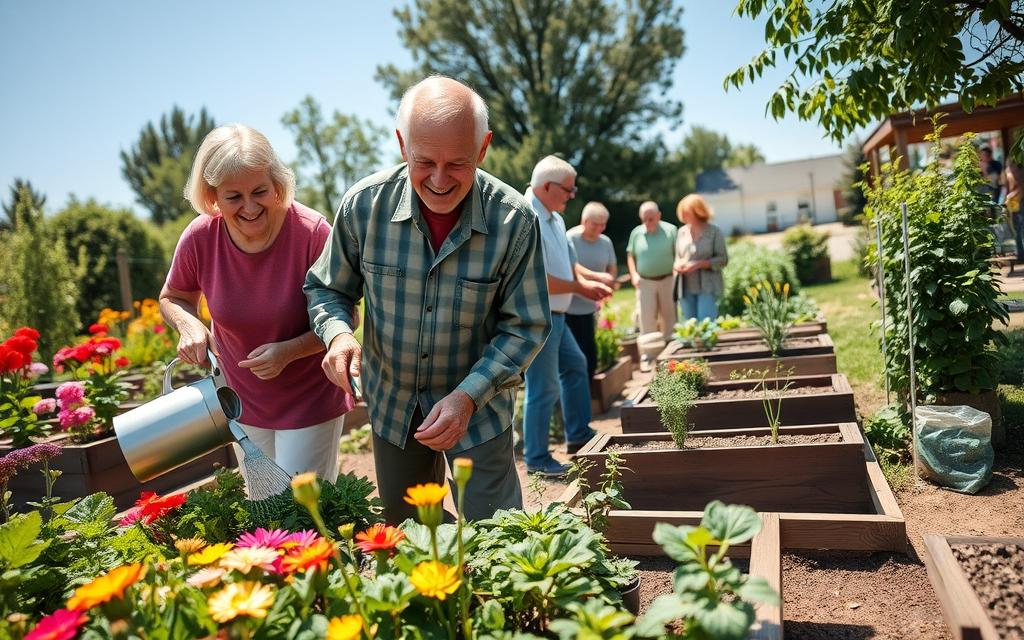
Collaborative cultivation fosters a deep sense of belonging and mutual purpose.
Combating Isolation Through Shared Purpose
In many senior living environments, a communal garden serves as a primary social catalyst. The cooperative nature of managing a shared plot encourages the exchange of “Heritage Knowledge”—passing down traditional growing techniques to younger generations or new residents. This role as an educator provides a significant boost to self-efficacy and personal identity during the retirement years.
Furthermore, the tangible accomplishment of seeing a garden move from seed to harvest provides a powerful “Dopamine Feedback Loop.” This sense of mastery over one’s environment is a critical component of geriatric mental health, reducing feelings of helplessness and replacing them with a renewed sense of agency.
Looking for more ways to connect and grow? Explore our complete list of wellness activities.
Ultimately, gardening for seniors is a holistic intervention that addresses the physical, cognitive, and social pillars of healthy aging. By embracing these communal and adaptive options, you ensure your green thumb continues to thrive for decades to come.
Seasonal Vitality: Year-Round Strategies
for Gardening for Seniors
Adapting your horticultural routine to the changing calendar ensures a continuous “therapeutic loop.” For the modern practitioner, 2026 climate resilience means preparing your micro-environment to protect both the flora and the gardener from extreme thermal shifts.
Micro-Climate Adaptation & Thermal Protection
In cooler regions, extending the growing season requires insulative strategies. Utilizing cold frames or “Hoop Houses” at waist-height allows for the cultivation of frost-hardy brassicas without the need for low-level bending. Conversely, in high-heat zones, the use of 40% density shade cloth can reduce ambient temperatures by up to 10 degrees, safeguarding your metabolic health during peak afternoon hours.
Nutritional Autonomy: The Harvest Cycle
The primary reward of gardening for seniors is the immediate access to nutrient-dense produce. Harvesting at the peak of “Phyto-nutrient density” ensures maximum antioxidant intake. Regular “deadheading” and pruning not only stimulate higher yields but also provide a consistent form of dexterity training for the hands.
| Seasonal Window | Horticultural Focus | Antioxidant Harvest |
|---|---|---|
| Spring Equinox | Soil oxygenation & cool-weather greens | Strawberries & Snap Peas |
| Summer Solstice | Hydration management & heat-loving vines | Blueberries & Lycopene-rich Tomatoes |
| Autumnal Transition | Mulching & root crop preservation | Apples, Pears, & Beta-carotene Carrots |
By syncing your activities with these natural rhythms, gardening for seniors remains a sustainable source of physical activity and fresh nutrition throughout every month of the year.
Landscape Architecture:
Designing for Gardening for Seniors
A truly accessible outdoor space utilizes Universal Design principles to eliminate physical barriers. The goal is to create a seamless transition between the home and the garden, allowing for independent movement regardless of mobility aids.
Ergonomic Pathways & Recovery Zones
Pathways should be a minimum of 48 inches wide to accommodate walkers or wheelchairs comfortably. Utilizing “permeable pavers” or firmly packed decomposed granite provides a stable, non-glare surface that reduces eye strain and prevents slippage. Strategically placed “Recovery Zones”—shaded benches with lumbar support—allow gardeners to rest their heart rate and perform seated tasks like seed sorting or tool cleaning.
Verticality & The “No-Bend” Rule
Vertical gardening systems, such as wall-mounted planters, A-frame trellises, or hydroponic towers, move the growing plane to eye level. This innovation is essential for gardening for seniors as it protects the lower back and knees from the repetitive stress of traditional ground-level cultivation.
Integrating these structural enhancements ensures that gardening for seniors is an inclusive, empowering experience that reinforces a sense of environmental mastery and personal agency.
Conclusion: The Long-Term Impact
of Gardening for Seniors
As we have explored, the practice of 2026 horticulture transcends simple leisure. It is a comprehensive health intervention that addresses the physical, neurological, and social requirements of the modern retiree. By intentionally designing your environment to reduce mechanical strain, you ensure that gardening for seniors remains a source of vitality and joy for decades.
The integration of adaptive equipment, raised-bed ergonomics, and community engagement creates a “wellness ecosystem” in your own backyard. Whether you are cultivating a small indoor herb collection or managing a large-scale vegetable plot, the biological rewards—ranging from improved serotonin synthesis to enhanced spatial cognition—are profound.
Science continues to validate that active engagement with the natural world is one of the most effective ways for older adults to preserve their independence. By making small, strategic adjustments to your technique today, you are investing in a more resilient and fulfilled tomorrow.
Ultimately, the journey of gardening for seniors is about more than just the harvest; it is about the person you become while tending the earth. It is a testament to growth, patience, and the enduring power of nature.
Ready to Expand Your Horizons?
Gardening is just the beginning. Discover over 60 science-backed hobbies designed specifically for active retirement.
Glossary of Adaptive Terms
To master the art of gardening for seniors, it is helpful to understand the specific terminology used in ergonomic design and botanical health.
Adaptive Equipment: Tools modified with ergonomic grips, long handles, or mechanical leverage systems to assist those with limited strength or mobility.
Biophilic Design: An architectural framework that weaves natural elements into the built environment to improve occupant health and emotional well-being.
Determinate Variety: “Bush” type plants that grow to a compact, pre-set height—perfect for container growing without the need for high-reach maintenance.
Ergonomic Leverage: The use of specialized pivot points or ratcheting mechanisms in tools to multiply force, reducing the hand-pressure required for pruning.
Micro-Climate: The specific environmental conditions (sun, wind, moisture) of a small area, such as a single raised bed or a sheltered balcony nook.
Proprioception: The body’s ability to sense its own position and movement in space; gardening tasks often act as a vital exercise for maintaining this sense.
Rhizosphere: The narrow region of soil directly surrounding plant roots; managing this area correctly ensures high plant vitality with less chemical input.
Thermal Regulation: The biological process of maintaining body temperature; essential for gardeners to monitor during periods of solar exposure.
Universal Design: A design philosophy focused on creating environments that are accessible to all people, regardless of age, size, or physical ability.
Clinical Resources & Global Authority
National Institutes of Health
Explore peer-reviewed research on how nature-based therapy impacts geriatric health and cognitive longevity.
Arthritis Foundation
Technical guidelines for joint protection and ergonomic tool selection for individuals with osteoarthritis.
Ext. University Horticulture
Access evidence-based master gardener guides regarding soil pH, native species, and seasonal planting cycles.
Therapeutic Horticulture
A comprehensive overview of the history and psychological benefits of garden-based rehabilitative practices.
Note: Seniors Life Hub provides these links for informational purposes to support the latest 2026 geriatric wellness standards.
Expert Advice: Frequently Asked Questions
How can I maintain my lawn without a heavy mower?
Opt for a lightweight electric or battery-operated mower to reduce physical strain. Alternatively, converting turf areas into mulch-beds or raised containers is a key strategy in gardening for seniors to minimize high-effort maintenance.
What if my grandchildren want to help in the garden?
It’s a wonderful bonding opportunity! Provide them with child-sized ergonomic trowels and their own dedicated planter. Sharing these gardening for seniors techniques fosters intergenerational connection and joy for the whole family.
Can gardening help with my weight management goals?
Absolutely. Engaging in consistent gardening for seniors serves as an effective low-impact aerobic exercise. It helps regulate metabolic health, strengthens bone mineral density, and supports overall cardiovascular functional fitness.
Is it necessary to have a fence around my garden bed?
While not strictly necessary, a small decorative fence helps deter pests and provides a visual boundary that aids in spatial organization. In the context of gardening for seniors, it can also act as a stable hand-hold for balance while navigating paths.
What are the best shoes for outdoor gardening?
Prioritize footwear with high-traction, non-slip soles and robust arch support. Proper stability is a critical safety component of gardening for seniors, protecting your joints and preventing equilibrium-related falls on uneven terrain.
How do I manage the hand pressure required for pruning?
Switch to high-leverage tools equipped with ratcheting mechanisms. These allow you to complete gardening tasks with 3x less grip force, making them ideal for individuals managing arthritis or reduced hand strength.
Can I still garden if I have very limited mobility?
Yes. Vertical wall gardens, tabletop planters, and indoor “Green Walls” are perfect adaptations. These methods ensure that gardening for seniors remains accessible and rewarding regardless of physical or space constraints.
How does gardening improve my cognition?
The executive functions required —such as seasonal planning and botanical identification—stimulate neuroplasticity. This mental engagement builds cognitive reserve and is a proven defense against dementia and memory decline.

About the Author: Barbara J. Dowling
With over 40 years of dedicated experience working one-on-one with senior citizens, Barbara J. Dowling is a leading voice in geriatric wellness, retirement planning, and government assistance.
As the founder and primary contributor to Seniors Life Hub, Barbara leverages her decades of firsthand insight to provide seniors and their families with practical, evidence-based guidance. Her mission is to ensure every individual navigates their golden years with the health, purpose, and joy they deserve. Gardening for seniors enhances senior lifestyles.