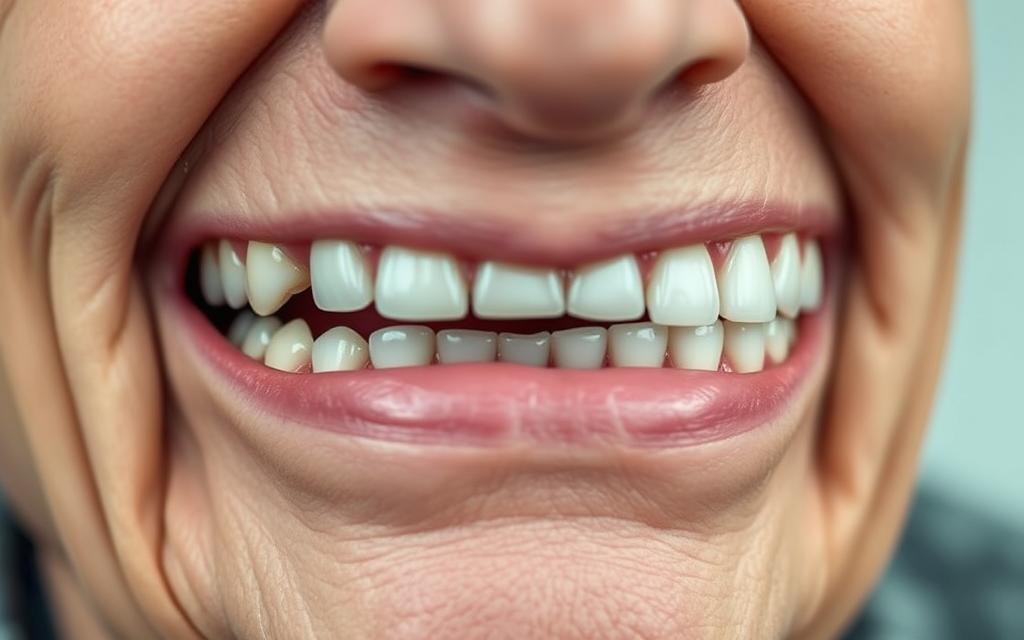
Dentures vs Implants Elderly Guide
Do you struggle to eat your favorite foods or smile because of missing teeth? You’re not alone. Many seniors have trouble with tooth loss. The choice between dentures vs implants elderly can be hard.
Finding the right tooth replacement is key for a healthy smile in 2025. New dental tech offers more solutions than ever. MyHealth Dentistry says knowing the differences is important for a good choice.
What’s the best tooth replacement for you? Looking at your options, you’ll find the right one. It will give you a confident smile and better oral health. Choosing between dentures and implants is big. It affects your life a lot, so finding the best for 2025 is important, dentures vs implants elderly and all.
Key Takeaways
- Understand the differences between dentures and implants for seniors.
- Explore the best tooth replacement options for elderly individuals.
- Learn about the impact of dental care on overall oral health for older adults.
- Discover the benefits of choosing the right solution for your needs.
- Find guidance on making an informed decision for a confident smile in 2025.
The Reality of Tooth Loss in Your Golden Years
As you get older, losing teeth becomes a big worry. It affects your mouth and your life in general. It’s more common than you might think, and knowing about it is key to staying healthy.
How Aging Changes Your Dental Landscape
Getting older changes your teeth and mouth. Your gums and bones can weaken, making teeth fall out. Gum recession and periodontal disease are common causes of tooth loss. Also, years of use can wear down your teeth, leading to decay or needing to be pulled.
Your dental health ties to your overall health. Conditions like diabetes and osteoporosis can harm your teeth. Knowing this helps you take steps to keep your teeth safe.
Emotional and Social Impact of Missing Teeth
Losing teeth can deeply affect you emotionally and socially. It can make you feel bad about how you look. This might make you shy away from smiling or eating in public.
It also makes eating and talking harder. You might avoid certain foods because they’re hard to chew. This can make you feel frustrated and lonely.
Dentures vs Implants Elderly: What’s Best for Your Unique Needs
Understanding the difference between dentures and implants is key. Tooth loss can change your life a lot. It affects how you eat, speak, and feel about yourself.
Dentures and implants are two main choices. Dentures are removable and replace teeth. Implants are fixed in the jawbone for a stable base.
Fundamental Differences That Matter to Seniors
Dentures can move or fall out, which is awkward. Implants stay put, feeling more natural.
Dentures can cause bone loss because they don’t stimulate the jaw. Implants help keep the jawbone strong, preserving your face.
How Your Age Influences Treatment Success
Your age affects how well dentures or implants work. Older bones might not hold implants as well. But, new dental tech helps many seniors get implants.
Age also matters for dentures. Older mouths and jaws can be different. This might make dentures less comfortable. But, with the right care, they can last.
Choosing between dentures and implants depends on you. Talk to a dentist to find what’s best for your needs.
Today’s Denture Solutions for Older Adults
In 2025, older adults have many denture options. These range from traditional to new technologies. These advancements have greatly improved life for seniors, making dentures more comfortable and looking better.
Traditional vs Premium Denture Options
There are two main types of dentures for the elderly: traditional and premium. Traditional dentures are affordable and meet basic needs. They come in materials like acrylic and porcelain.
Premium dentures offer better durability and fit. They also look more natural. These are great for those wanting a high-end solution.
Choosing between traditional and premium dentures depends on your budget and needs. Always talk to a dentist to find the best option for you.
2025’s Breakthrough Denture Technologies for Seniors
2025 has seen big improvements in denture technology for seniors. 3D printing technology is now used to make dentures. This makes them fit better and saves time.
There are also new materials that make dentures more durable and comfy. These changes are big wins for seniors.
Digital dentistry is another big step forward. It uses digital impressions and CAD for better dentures. This makes dentures both useful and nice to look at.
These new technologies make dentures better for older adults. They help seniors have better oral health and a better life.
Dental Implants for Seniors: Breaking Down the Facts
Dental implants are a great choice for many seniors. They last a long time and help with tooth loss. It’s good to know the facts and benefits before deciding.
Implants are more than just for looks. They help you feel good about your smile again. Thanks to new technology, implants are now a good option for many seniors.
Single, Multiple, and Full-Arch Implant Solutions
There are different types of implants for different needs. You can get one for a single tooth, a few for several teeth, or all for a full mouth.
| Implant Type | Description | Benefits |
|---|---|---|
| Single Implants | Replaces a single missing tooth | Natural look, preserves adjacent teeth |
| Multiple Implants | Replaces several missing teeth | Stable, improves chewing function |
| Full-Arch Implants | Replaces an entire arch of teeth | High stability, full restoration |
Each implant type has its own benefits. The right choice depends on your dental needs and health.
Implant-Supported Dentures: Getting the Best of Both Worlds
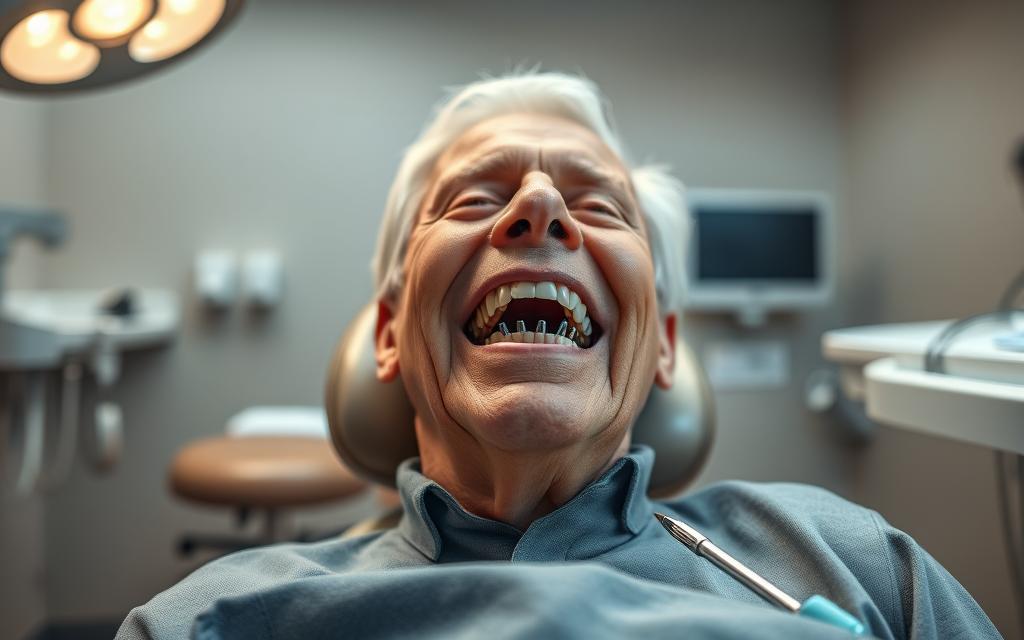
Implant-supported dentures offer the best of both worlds. They are stable like implants but easy to use like dentures. This is great for seniors who want a secure and comfy denture option.
Benefits of Implant-Supported Dentures:
- Enhanced stability and retention
- Improved chewing function
- Preservation of bone structure
Choosing implant-supported dentures means you get the security of implants and the ease of dentures.
The True Cost of Restoring Your Smile
Getting your smile back is a big deal. It’s important to know the costs involved. When choosing dentures or implants, think about the long-term costs too.
Immediate vs Lifetime Expenses
Dentures and implants have different costs. Dentures start at $300 and can go up to $5,000. Implants cost between $1,000 to $3,000 each.
Dentures might need changes or new ones over time. This adds to their cost. Implants are more expensive at first but save money later because they last longer.
Navigating Insurance and Medicare
Knowing your insurance is key when picking dentures or implants. Most dental plans cover some of the denture cost. But, implant coverage varies a lot.
Medicare usually doesn’t pay for dental work, like dentures or implants, unless it’s really needed.
Financing Options for Seniors
For seniors, the cost of dentures or implants can be tough. But, there are ways to make it easier. Many dental offices have financing plans.
Some groups offer grants or low-interest loans for dental care. Looking into these options can help you find a way to pay that works for you.
Health Factors That Shape Your Dental Restoration Journey
Knowing how your health affects dental options is important. When thinking about dentures or implants, health factors matter a lot. They can change what you can get and how well it works.
Medical Conditions That Affect Your Treatment Eligibility
Your health history is very important for dental choices. Conditions like diabetes or heart disease can slow healing. Talking to your dentist about your health is key.
Health issues like immune problems or dry mouth can make things harder. Your dentist might need to do extra steps or suggest other options.
Bone Health and Surgical Considerations for Older Patients
Bone health is very important for implants, more so for older people. You need enough bone to hold the implant. If you’ve lost bone, you might need bone grafting.
Older patients might need more tests or talks before surgery. Your dentist will help make a plan that fits your health and goals.
Understanding how health affects dental choices helps you decide. Your dentist will help you choose the best option for you. They want you to have the best oral health and overall well-being.
Living With Your New Teeth: Comfort and Adaptation
Getting a new smile can change your life. You might wonder what to expect. It’s important to know about the adjustment period and how your new teeth will change your daily life.
The Adjustment Period: What to Truly Expect
When you get dentures or implants, your mouth needs time to adjust. This can take weeks to months. You might feel some discomfort or find it hard to eat or speak at first.
Be patient and let your mouth adjust. Your dentist will help you manage any discomfort and make the transition smooth.
How Each Option Transforms Eating, Speaking, and Smiling
Dentures and implants can make eating, speaking, and smiling better. But they work in different ways. Implants feel more like your natural teeth, letting you eat more foods without worry.
Dentures might take time to get used to, but they’re designed to be more comfortable. This makes it easier to enjoy your favorite meals.
Real Stories from Seniors Who’ve Made the Choice
Listening to others who’ve gone through this can be reassuring. At myHealth Dentistry, many patients have shared their positive experiences. For example, Jane’s implants gave her the confidence to enjoy social events again.
John was happy with his dentures because they let him eat his favorite foods without pain. These stories show how a good dental solution can change your life.
Knowing what to expect and hearing from others can make you feel more confident and excited about your new smile.
Caring for Your Investment: Maintenance Realities
Looking after your dentures or implants is key to keeping them in top shape. It helps them last longer and keeps your mouth healthy. This care is important for your overall health and happiness.
Daily Care Routines for Aging Hands and Eyes
As we get older, doing daily tasks can get harder. This is because our hands and eyes may not work as well. For denture users, cleaning them needs extra care.
Use a special denture cleaner and a soft brush to get rid of plaque. If you have implants, brushing around them is important. Also, rinse with mouthwash to kill bacteria.
Tips for easier denture care: Think about using a denture cleaner that makes things easier. Or, ask someone to help you if you need it. For implants, a water flosser can help clean around them.
Long-term Maintenance and Professional Support
Seeing your dentist regularly is a must for both dentures and implants. They can check your restorations, make adjustments, and give advice on oral health. For implant users, this helps catch problems early, like peri-implantitis.
Long-term care also means watching your gums and bone health. Denture users might need their dentures relined or rebased. This keeps them fitting right. For implants, it’s about checking the implant’s stability and the tissue around it.
By sticking to regular dental visits and daily care, you can keep your smile healthy and strong for many years.
Finding Your Perfect Fit: Personalized Decision Guide
Your journey to a perfect smile starts with knowing your options. It’s important to work with a dental team that cares. Look at your lifestyle, health, and what you like when choosing between dentures and implants.
Beyond Age: Lifestyle Factors That Matter Most
Many lifestyle factors affect your choice between dentures and implants. Your daily habits, what you eat, and your health are key.
If you’re active or like crunchy foods, dental implants might be best. They’re stable and last long. But, if you want something cheaper upfront or are worried about surgery, dentures could be better.
Partnering With Your Dental Team for Optimal Results
Working with your dental team is key to making a good choice. At myHealth Dentistry, experts help you understand both options.
Your dental team will check your mouth, talk about your lifestyle, and suggest what’s best for you. This way, you get a solution that fits you perfectly.
| Lifestyle Factor | Dentures | Implants |
|---|---|---|
| Active Lifestyle | May require additional care to stay in place | Stable and secure, ideal for active individuals |
| Dietary Preferences | May have limitations with hard or sticky foods | Function like natural teeth, allowing for a varied diet |
| Budget Considerations | Generally more affordable upfront | Higher initial cost, but potentially more cost-effective long-term |
Think about these things and talk to your dental team. This way, you can choose confidently. The goal is to find a solution that makes you happy and fits your life well.
Conclusion: Embracing Your Senior Years With Confidence and Comfort
As you face tooth loss in your golden years, you now have the power to choose your dental care. You can pick dentures or implants for a healthy, happy smile. This choice can make your life better.
Knowing the difference between dentures and implants helps you make a good choice. You’ll think about comfort, cost, and how easy they are to take care of. This way, you’ll feel sure about your decision.
It’s possible to be confident and comfortable in your senior years. The right dental care can let you eat, speak, and smile easily. Working with your dentist ensures your dentures or implants will keep you comfortable for life.
Move forward to a healthier, happier you. Talk to your dentist about what’s best for you. Start enjoying your senior years with the confidence and comfort you deserve.
Resource:
National Institute of Dental Reseach