Daily Yoga Practices to Improve
Flexibility Over 65
Author
Expert Verified
Updated: July 2026
Executive Summary:
Starting Your Wellness Journey
Embracing a movement practice after 65 is a proactive step for long-term health. This guide explores how gentle, accessible routines enhance mobility, reduce stress, and maintain independence. Whether you are curious about physical stability or mental tranquility, the path to holistic wellbeing is found by integrating intentional movement into your daily schedule. For a comprehensive comparison of how these disciplines support your unique physiology, see our Pillar Article: Pilates vs Yoga for Seniors.
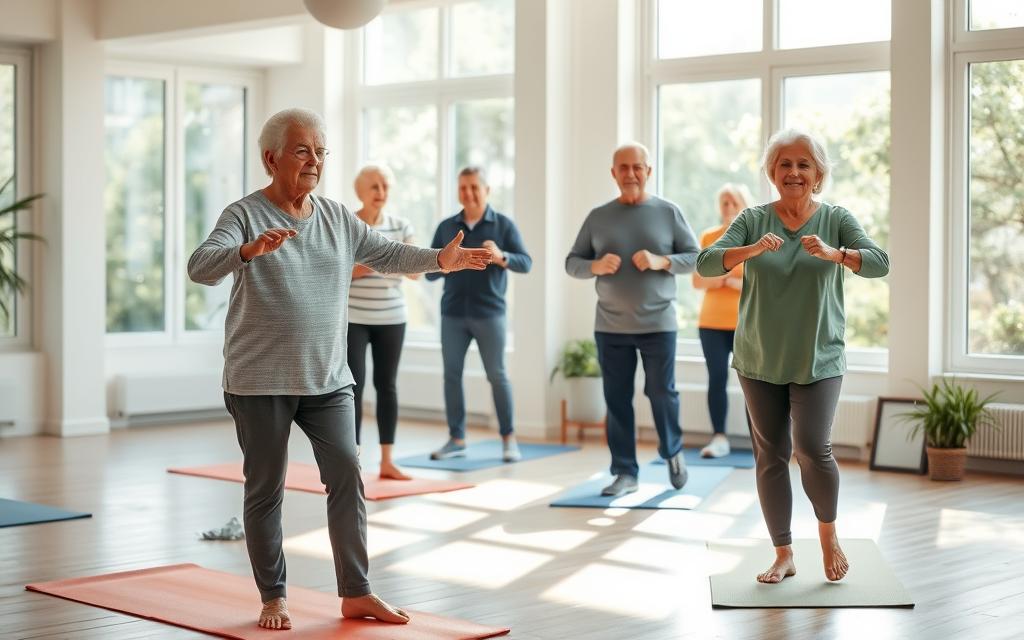
Do you wake up feeling stiff? Wonder if your body can move with the ease it once had? You are not alone. Engaging in a gentle movement practice is a proven method to reclaim vitality and maintain physical freedom. A few moments of daily yoga can shift your entire day. It is remarkable how targeted physical activity allows the body to function with greater grace. Spending seven minutes on a consistent routine reduces tension, stretches the full body, and helps you feel stronger. This brief, effective yoga flow is designed for accessibility, making it perfect for those who prefer to start small.
Even a short session changes your morning outlook. It invites serenity into your schedule, serving as an effective way to care for your long-term health and wellbeing. For a comprehensive look at how these techniques compare to other disciplines for longevity, visit our Pillar Article.
Key Takeaways
- Start your morning with intentional movement to improve flexibility.
- Dedicate seven minutes to reduce daily stress levels.
- Focus on full body stretches to enhance physical stability.
- Utilize accessible routines designed to protect your joints and provide comfort.
- Build confidence and strength through a consistent, mindful practice.
Why Beginner Yoga is a Game Changer
for Older Adults
A structured movement practice offers a unique opportunity for older adults to connect with their physical selves. Initiating a beginner yoga routine helps preserve independence and maintains a high quality of life. This gentle approach provides many benefits that contribute to overall body awareness and physical fitness.
Understanding the Physical Benefits
Regular practice significantly boosts mobility. It helps maintain loose, healthy joints and allows you to move with increased confidence. By focusing on the connection between body and mind, you create a more harmonious relationship with your physical form.
How Daily Movement Improves Quality of Life
Staying active is vital for older adults who value health. A consistent routine improves energy levels, making daily tasks feel lighter and more manageable. This habit is an effective way to help maintain independence.
Mental Wellbeing and Stress Reduction Through Asana
Movement serves as a powerful form of stress management. It helps you relax and cultivate a calm demeanor. By incorporating these techniques, you remain peaceful throughout the day, ensuring your wellbeing stays balanced.
Preparing Your Space for a
Safe Yoga Practice
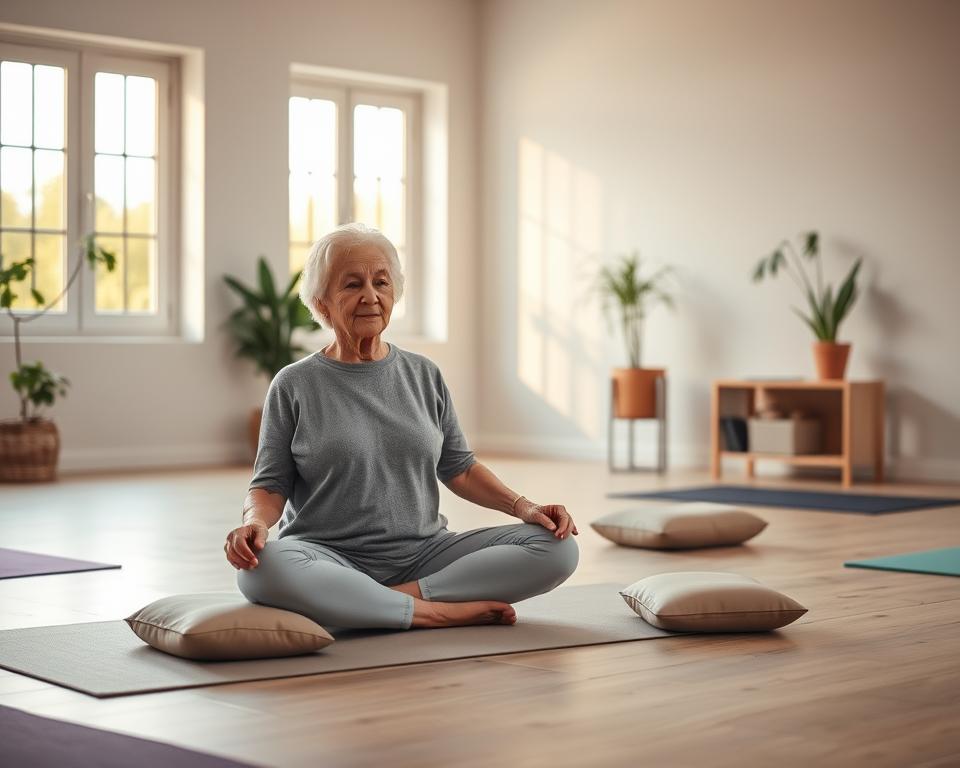
You can transform any corner of your home into a sanctuary. Establishing a dedicated spot is essential for maintaining safety and focus. When your environment is inviting, you are more likely to look forward to your daily session.
Selecting the Right Chair for Seated Exercises
Choosing the correct seat is vital for comfort. Select a sturdy, armless chair that supports the lower back. This structural support is fundamental for balance during seated exercises and chair-based movements.
Creating a Calm Environment at Home
You do not need a studio to practice effectively at home. Simply clear a tidy area where you can move without obstruction. Soft lighting and quiet surroundings assist in focusing on your overall wellbeing.
Essential Props to Support Body Awareness
Utilizing the right equipment enhances body awareness. A non-slip mat provides steadiness, while blocks or straps help navigate various yoga poses safely. These props support the joints and allow you to stretch deeper with proper form.
| Prop Type | Primary Benefit | Best Use Case |
|---|---|---|
| Yoga Mat | Prevents slipping | Floor-based movements |
| Yoga Blocks | Extends reach | Seated forward folds |
| Sturdy Chair | Provides stability | Seated balance work |
Centering Your Mind with Morning Breathing Exercises
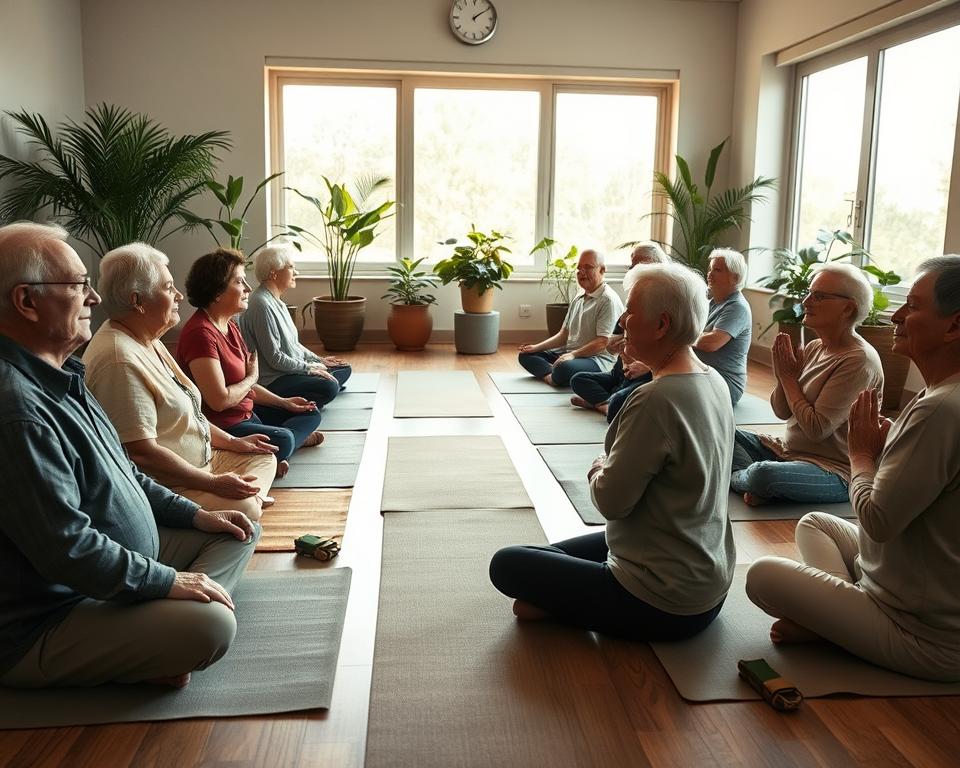
Before you start your first stretch, take a moment to settle your mind. Your breath is a powerful tool for getting ready for morning movement. By focusing on your breath, you feel calm and ready for the day.
The Power of Inhalation and Exhalation
When you inhale deeply, you bring fresh energy into your body. This wakes up your nervous system gently. As you exhale, let go of any tension in your muscles. Doing breathing exercises helps control your heart rate. By balancing each inhale and exhale, you build stability.
Connecting Breath to Movement for Relaxation
Yoga for seniors is more than poses; it is a moving meditation. When you move with your breath, you relax deeply. This connection keeps you present and mindful. Start each movement with your breath. If your mind wanders, bring it back to your breath. This flow keeps you focused.
Setting Intentions for Your Daily Flow
Having a clear intention guides your yoga practice. You might focus on gratitude, strength, or peace. This mental prep makes your relaxation time more meaningful. Be patient as you build this rewarding habit. For more guidance on finding the perfect balance between different movement styles, explore our comprehensive Pillar Article.
Gentle Neck and Shoulder Stretches for Daily Comfort
Starting your morning with light movement is an excellent way to feel better. Engaging in gentle stretches is a perfect method to wake up your muscles and joints safely. You do not need to be an expert to enjoy these benefits—consistency is the most important factor in your wellbeing.
Releasing Tension in the Thorax and Neck
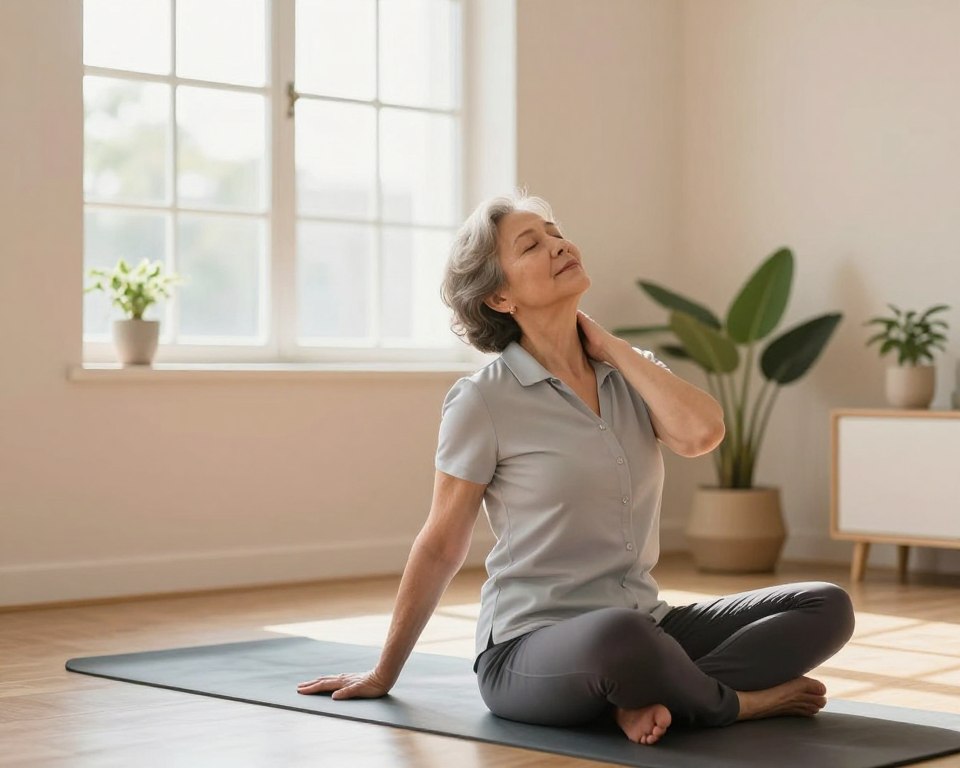
When you wake up, your muscles may feel tight. Simple neck tilts help improve mobility and reduce stiffness. By gently stretching the thorax, you open your chest, which allows you to breathe deeper during your yoga practice. For more on maintaining spinal health, refer to our Pillar Article.
Improving Posture with Simple Arm Movements
Good posture is essential for feeling comfortable and independent. Simple arm movements help straighten your spine and pull your shoulders back. These gentle movements act similarly to desk yoga, keeping your entire body feeling refreshed.
Finding Ease in Elbow and Hand Joints
Do not neglect your smaller joints, such as the elbow and wrists. Gently rotating your wrists and opening your palm wide improves circulation and keeps your hands flexible for daily tasks.
| Movement | Benefit | Frequency |
|---|---|---|
| Neck Tilts | Reduces Stiffness | Daily |
| Arm Circles | Improves Mobility | Daily |
Building Strength with Seated Yoga Poses
Beginning a strength journey is simple. You can perform these exercises for seniors right in your favorite chair. These movements are easy to integrate into your life and provide long-term physical support.
Engaging the Abdomen and Torso for Stability
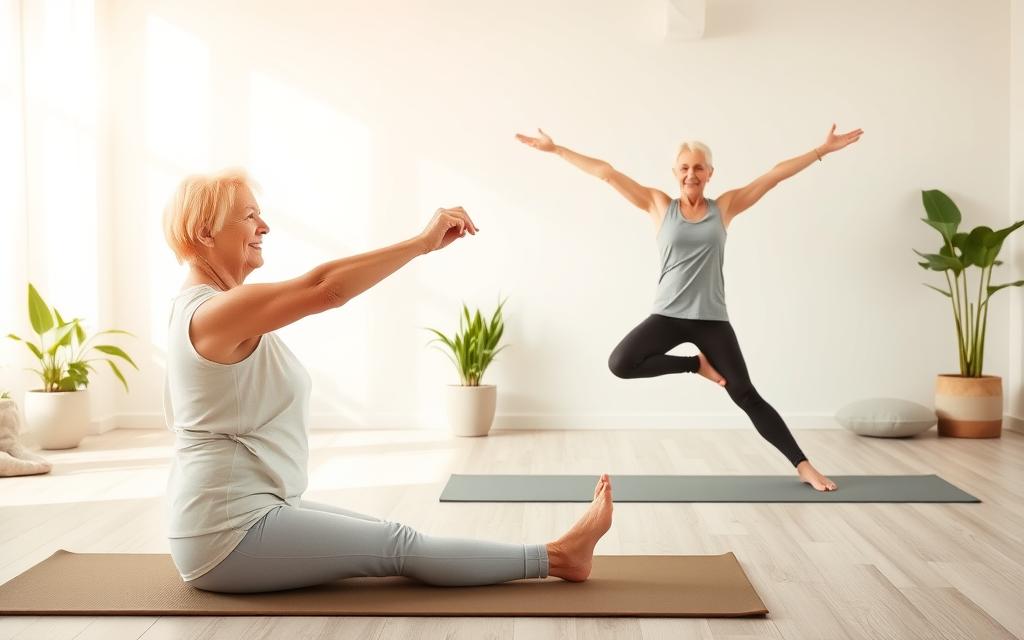
Core strength is vital for daily balance. Sitting tall while reaching your arms forward helps build strength in your torso and encourages a straight spine. This focus on yoga for strength often makes standard daily tasks feel much easier.
Building foundational stability is a core element of safe movement. To understand how these poses protect your spatial coordination, see our breakdown on why Senior Citizens Should Do Balance Exercises regularly.
Lower Body Stretches for Hips and Knees
Your lower body requires regular care to stay pain-free. Crossing one ankle over the other while seated provides a helpful stretch to release hip tension. Keeping knees healthy is key for confident walking.
Enhancing Range of Motion in Ankle and Foot
Ankle health is crucial for staying independent. Rotating your ankles helps maintain a healthy range of motion and prepares your feet for walking. Small, consistent actions support the entire body.
Mastering the Mountain Pose
The mountain pose is a foundational move for standing tall. This accessible yoga pose helps you stand strong throughout the day.
Finding Your Foundation
Stand tall with feet hip-width apart. Inhale deeply to straighten your spine, then exhale to relax. Raising your arms overhead stretches your body and connects you to the ground. This grounding sensation helps keep you balanced.
Boosting Balance and Confidence
Frequent practice of this asana boosts balance and strengthens your legs. Feeling secure in your physical stability significantly increases your confidence. As always, consult our Pillar Article for additional safety tips regarding your movement routine.
Modifications Using Props
| Modification | Benefit |
|---|---|
| Wall Support | Increased stability |
| Chair Assistance | Reduced fall risk |
Choosing the Right Style of Yoga for Seniors
Not all movement practices are created equal, and finding the right style of yoga for seniors is essential for a safe experience. Depending on your current fitness level, you can choose between traditional floor practices or adapted setups like chair yoga for seniors to match your personal comfort.
Gentle Hatha Yoga for Seniors
Hatha is an excellent foundational style of yoga for seniors because it focuses on slow, deliberate movements and deep breathing. It gives your joints ample time to adjust to each position without rushing through transitions.
Gentle floor or chair movements provide deep, therapeutic relief for common nerve paths. If you experience shooting lower back discomfort, pairing your flow with targeted Sciatica Stretches for Elderly adults can alleviate pressure.
Restorative Chair Yoga for Seniors
For those managing chronic joint discomfort or severe balance changes, restorative chair yoga for seniors uses props, blocks, and stable seating to completely eliminate the risk of overstrain while maximizing muscular relaxation.
Integrating Chair Yoga for Seniors
into Your Routine
Adding chair yoga to your daily schedule is an exceptional way to enhance overall health. It serves as an effective way to move, build stability, and gain flexibility without putting undue pressure on the joints. By utilizing support, you can explore foundational movements in a safe, controlled manner. For a deeper understanding of how these seated practices contrast with floor-based disciplines, visit our Pillar Article.
Why Chair Yoga for Seniors is Perfect for Beginners
If you are new to movement practices, floor-based routines may feel daunting. A chair provides a steady, reliable surface, allowing you to breathe and focus on your alignment without worrying about balance. This approach is perfect for those who want to progress at their own speed while building confidence quickly.
If you are using a stable seat to modify your movements, you can expand your routine by exploring our full guide to Senior Chair Exercises, which includes ten additional target workouts.
Adapting Traditional Poses for Your Needs
You can modify almost any pose to better fit your physical requirements. A chair offers necessary back and leg support, ensuring you receive the therapeutic benefits of the practice while remaining comfortable. The table below highlights how to translate traditional movements into effective seated versions:
| Traditional Pose | Seated Modification | Primary Benefit |
|---|---|---|
| Mountain Pose | Seated Tadasana | Improved posture |
| Forward Fold | Seated Forward Bend | Spinal release |
Staying Consistent with Your Home Workout
Consistency is the primary driver of physical success. Because chair-based routines are portable, you can practice anywhere without requiring expensive equipment. Dedicating just ten minutes each morning can yield significant results. Remember, showing up for yourself daily is more impactful than the intensity of a single session. For guidance on how to structure your week, review our comprehensive Pillar Article.
The Mental Benefits of Consistent
Yoga for Seniors
While physical flexibility is a major goal, the cognitive advantages of daily yoga for seniors are equally impactful. Engaging in structured flows helps sharpen mental focus and supports emotional equilibrium.
Enhancing Mind-Body Awareness
Practicing yoga for seniors encourages you to focus inward, mapping your breath directly to your physical movements. This dedicated mindfulness reduces daily anxiety and helps you maintain excellent spatial coordination.
Better Sleep Through Chair Yoga for Seniors
Setting aside time for evening chair yoga for seniors helps soothe the central nervous system. Gentle stretching right before bed lowers heart rates and prepares your mind for deep, restorative sleep cycles.
Safety Tips for Practicing
Yoga for Seniors Safely
Every health journey requires a mindful approach to your physical limits. When practicing, always prioritize comfort and structural stability. Listening to your body ensures that every session remains restorative rather than taxing.
Listening to Your Body and Avoiding Strain
It is vital to distinguish between a productive stretch and sharp pain. If you manage conditions like osteoporosis or balance concerns, please exercise extra caution. Avoid pushing joints into extreme ranges during any exercise. If a movement feels incorrect, stop and rest. Your current ability is the perfect starting point.
Consulting Your Medicare Plan and Healthcare Providers
Always speak with your doctor before beginning a new physical routine. Many find that their Medicare plan provides coverage for wellness benefits, including professional classes. Exploring these resources can connect you with specialized programs designed to foster safe movement and community support.
| Factor | Action Item | Benefit |
|---|---|---|
| Medical Clearance | Consult your doctor | Personalized safety |
| Insurance | Check Medicare plan | Resource access |
Utilizing Online Resources Safely
The vast world of digital yoga videos offers many opportunities for home practice. However, not all online content is tailored for older adults. Seek out instructors who emphasize clear modifications and deliberate, slow-paced steps. Choosing trusted channels will allow you to enjoy yoga at home with confidence and safety.
Authoritative Senior Wellness Resources
NIH National Center for Complementary and Integrative Health
Review comprehensive clinical evidence on clinical safety parameters regarding yoga modifications for older populations.
Harvard Health Publishing
Explore physiological data evaluating how structured chair yoga improves mobility and cognitive clarity in older adults.
Medicare Official Site
Check options regarding therapeutic movement allowances, preventative health benefits, and fitness provider options.
Wikipedia: Yoga as Exercise
Examine the modern history, structural biomechanics, and developmental timeline of westernized postural yoga practices.
Your Daily Yoga for Seniors Checklist
Keep these fundamental keys in mind to maximize your results from home-based yoga for seniors:
- Set Up Stably: Ensure your seat is completely non-slip before starting chair yoga for seniors.
- Breathing Matters: Pair every single extension with a deep, deliberate inhale.
- Honor Your Limits: Modify any pose that causes sharp friction or muscle pinch.
- Stay Consistent: Ten light minutes of daily yoga for seniors beats an hour-long session once a week.
Your Journey to Vibrant Wellbeing
You have taken a significant, proactive step toward increasing your flexibility and physical freedom. Integrating this gentle, ten-minute flow into your morning is an excellent foundation for maintaining independence and moving with ease. Remember, consistency is the true driver of long-term success; practicing these movements daily will progressively improve your balance, joint health, and overall quality of life.
Begin each day with a moment of intentional meditation. This practice clears the mind and fosters a lasting sense of tranquility that carries through your daily activities. Movement is not just about physical strength; it is about cultivating a peaceful, vibrant lifestyle that honors your body’s evolving needs.
You possess the tools and the dedication required to remain strong and capable. Continue your practice with patience, kindness, and curiosity. As you refine your routine, it is helpful to understand how different disciplines can further support your long-term goals. For a detailed comparison and expert recommendations on selecting the best movement path for your unique needs, we invite you to explore our Pillar Article: Pilates vs Yoga for Seniors.
Frequently Asked Questions:
Gentle Yoga for Seniors
Why is yoga for seniors considered such an effective way to improve quality of life?
Yoga for seniors boosts physical and mental health. It makes you more flexible and less stressed. This practice focuses on gentle movements and body awareness.
Can a beginner start a yoga workout at home without special equipment?
Yes, beginners can start yoga at home. You can use a chair or a sturdy seat. There are many free yoga videos online, like SeniorShape, that are easy to follow.
How do breathing exercises help during a 10-minute yoga flow?
Breathing helps you relax and focus. Deep breathing connects your movements to your mind. It makes your yoga session calming and meditative.
What are the best seated exercises for improving range of motion in the lower body?
Seated exercises like chair yoga are great for the lower body. They improve hip, knee, and ankle flexibility. They also strengthen your abdomen and torso.
Is mountain pose safe for a beginner with balance concerns?
Yes, mountain pose is safe for beginners. You can practice it near a wall or with a chair for support. It strengthens your legs and improves balance.
How does chair yoga for seniors differ from a traditional yoga class?
Chair yoga is adapted for seniors. It uses chairs for support, making it easier than floor yoga. It safely stretches your joints without straining your back.
What resources are available to help me find a safe yoga practice?
Look for yoga for seniors on YouTube. Check your Medicare plan for wellness programs like SilverSneakers. Always talk to your doctor before starting new exercises.
Can I combine meditation with my daily yoga for seniors routine?
Yes, adding meditation to your yoga routine is great. It reduces stress and improves your mind-body connection. It makes your yoga practice more holistic and peaceful.

About the Author: Barbara J. Dowling
With over 40 years of dedicated experience working one-on-one with senior citizens, Barbara J. Dowling is a leading voice in geriatric wellness, retirement planning, and government assistance.
As the founder and primary contributor to Seniors Life Hub, Barbara leverages her decades of firsthand insight to provide seniors and their families with practical, evidence-based guidance. Her mission is to ensure every individual navigates their golden years with the health, purpose, and joy they deserve. Yoga for seniors offers wellness benefits.